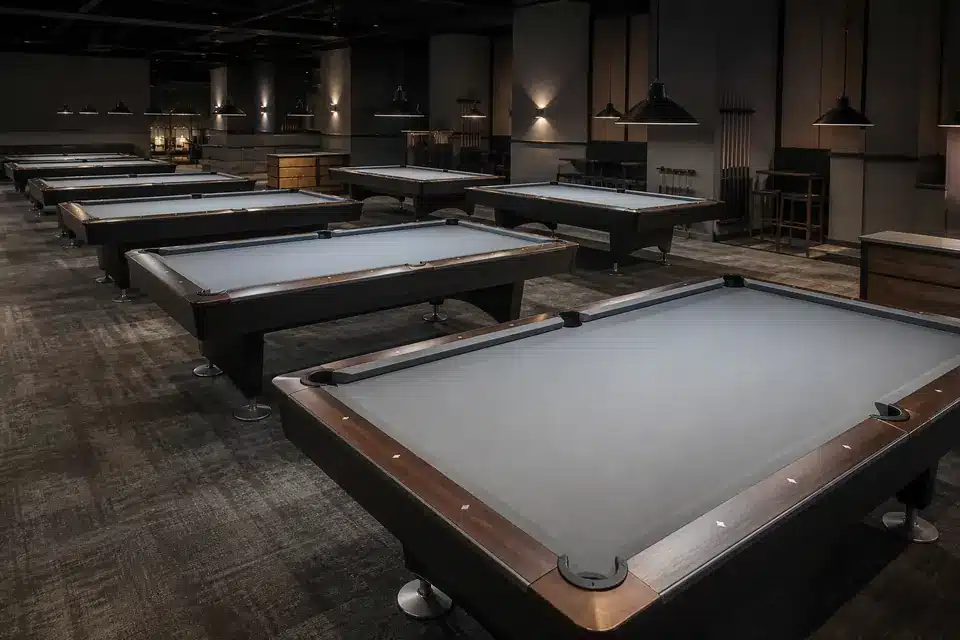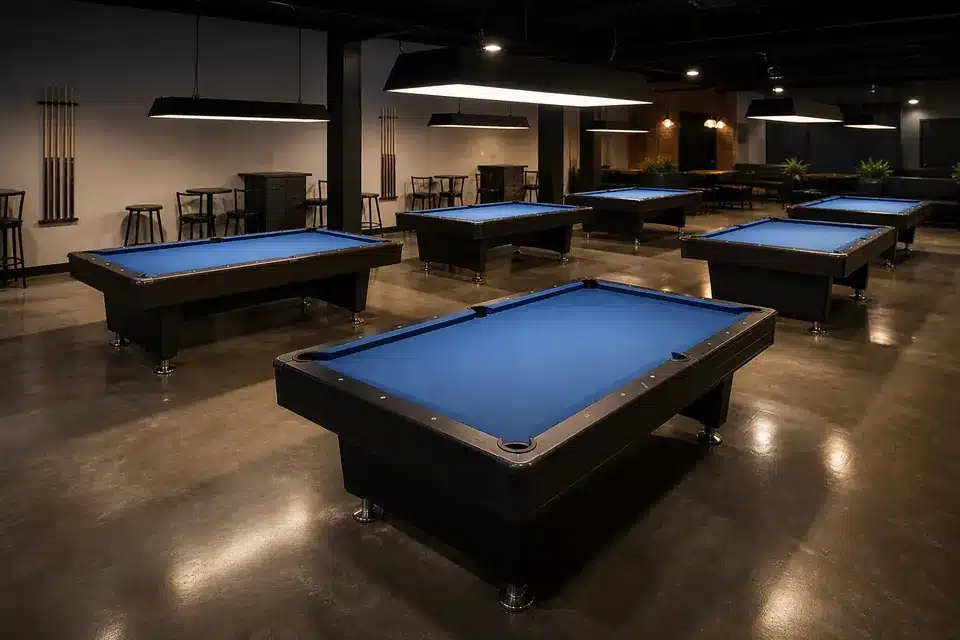
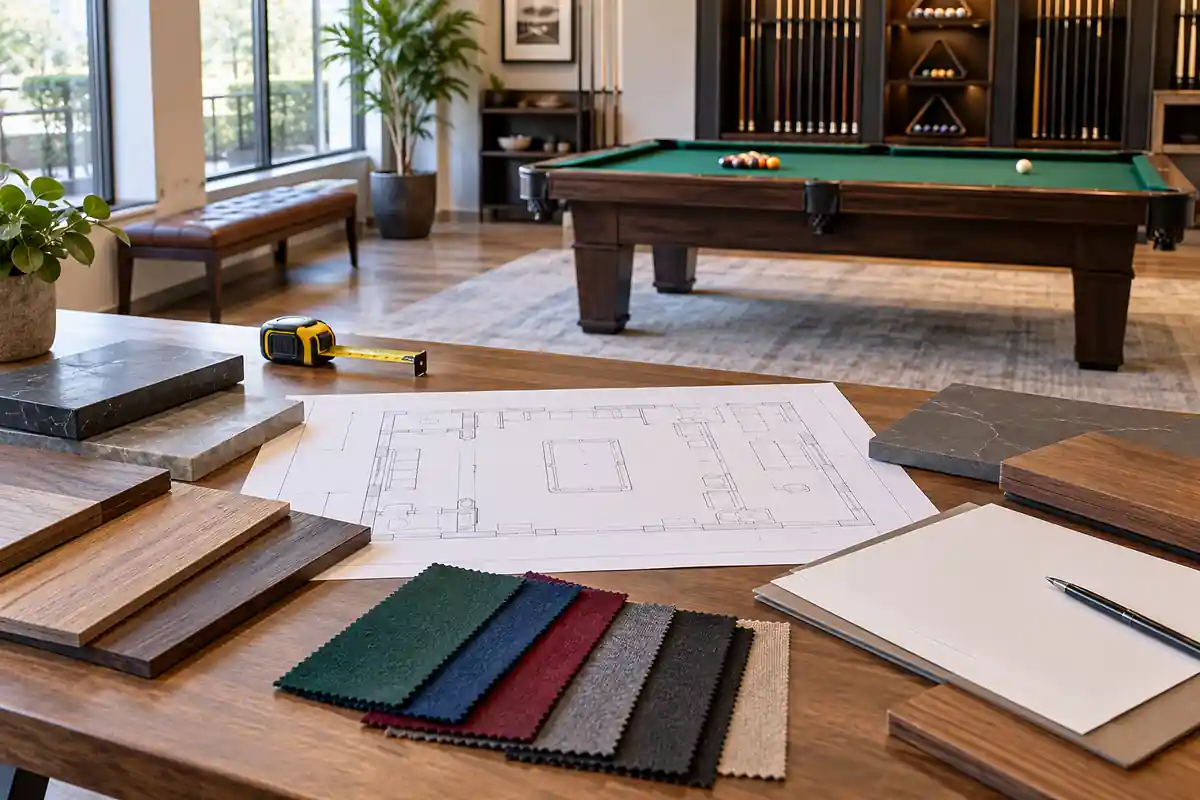
A useful commercial pool table quotation starts with a defined project, not just a product photo and a request for the lowest price. A supplier needs to know what games your customers will play, how many tables the venue can support, which specifications must be fixed, where the order is going and what delivery support you expect.
If those details are missing, two quotations may describe very different tables and scopes. One price may include cloth, balls, cues and reinforced export packing; another may cover only the basic table. This checklist helps club owners, venue developers and importers prepare a request for quotation that can be compared, approved and later used during inspection.
Key Takeaways
- Start with the venue, game format and required quantity before choosing finishes or colours.
- Record playing dimensions, overall dimensions and required cue clearance as separate measurements.
- Ask suppliers to identify the slate, frame, cushions, cloth, pockets, levelling system and included accessories in writing.
- Keep product price, packing, freight, local delivery and installation scope separate in the quotation.
- Use an approved specification, drawing and component list as the order baseline; do not rely only on catalogue names or photos.
1. Describe the Project Before the Product
Open the RFQ with a short project summary. It gives the supplier context for table selection, packing and delivery planning.
Include:
- destination country, city and postcode;
- venue type, such as a billiard club, bar, hotel, recreation centre, school, retail showroom or private game room;
- whether the site is new, being renovated or already operating;
- target opening or installation period;
- expected table quantity;
- preferred game formats;
- whether the order is for one venue, resale, distribution or private label;
- any matching products, such as lights, cue cabinets, spectator seating, carpets or accessories.
A statement such as “We are planning a new 12-table billiard club in Melbourne, with American pool as the main game and one separate snooker area” is more useful than “Please quote your best pool tables.” It helps the supplier discuss an appropriate table mix instead of sending a general catalogue.
If you have not yet determined the quantity, review the capacity planning guide for new billiard clubs before requesting a final quotation.
2. State the Game Format for Every Table Group
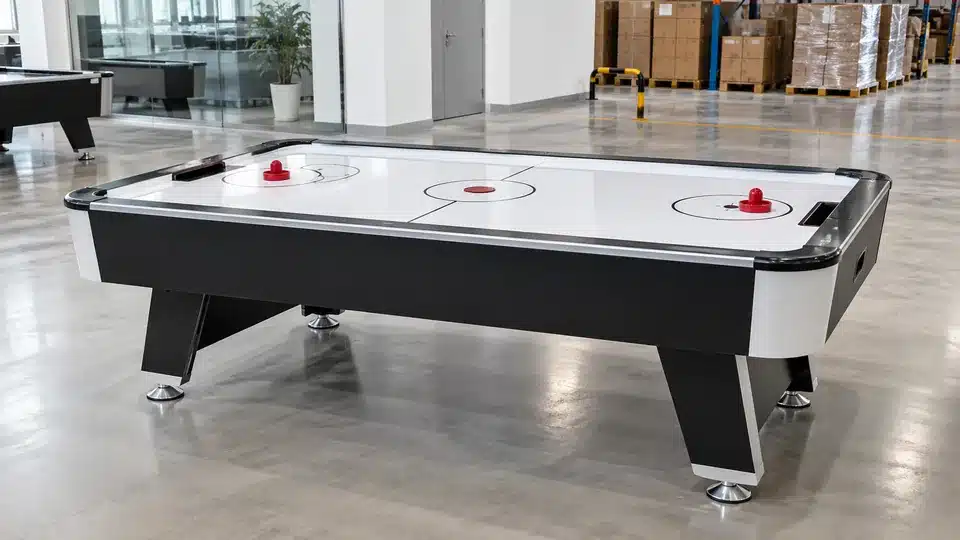
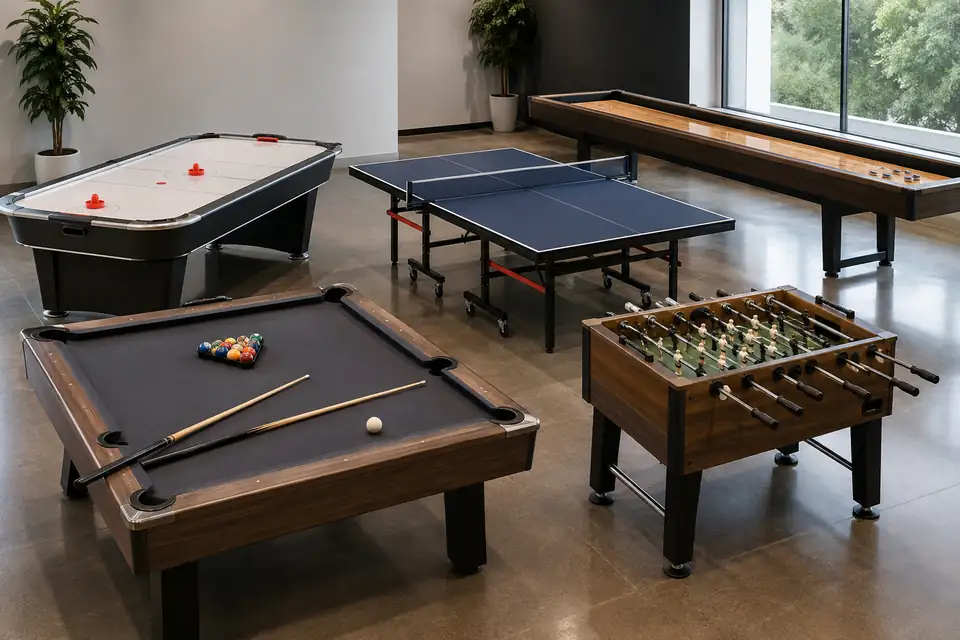
“Pool table” is not a complete specification. A venue may require American pool tables, Chinese eight-ball or Heyball tables, full-size snooker tables, smaller recreational tables, or a mixture of formats.
Create a separate line in the RFQ for each table group.
| Table group | Quantity | Intended game | Intended use | Required standard or reference |
|---|---|---|---|---|
| Group A | To confirm | American pool | Main commercial area | State the required playing format and table size |
| Group B | To confirm | Chinese eight-ball / Heyball | Dedicated player or training area | State the required rules or event reference |
| Group C | To confirm | Snooker | Separate snooker area | State full-size or another required size |
The table type affects the playing surface, pocket geometry, cushion system, cloth, ball set, overall footprint and installation requirements. Buyers comparing formats can review Baiyu’s American pool tables, Chinese billiards tables and snooker tables before preparing the table schedule.
Do not assume that a nominal label such as “9 ft” defines every dimension. For Chinese eight-ball projects in particular, the Chinese pool table size and specification guide explains why the intended game, playing surface and approved drawing should be stated together.
3. Provide the Room Plan and Access Information
The room plan affects more than the number of tables. It also affects table orientation, cue clearance, lighting positions, spectator areas, service routes and the installation sequence.
Provide the supplier with:
- a dimensioned floor plan;
- column, wall and fixed-obstruction positions;
- door, stair, corridor and lift dimensions;
- floor level and loading access;
- planned bar, seating, reception and storage areas;
- proposed table positions, if already available;
- ceiling height and proposed lighting points;
- any date or time restrictions for delivery and installation.
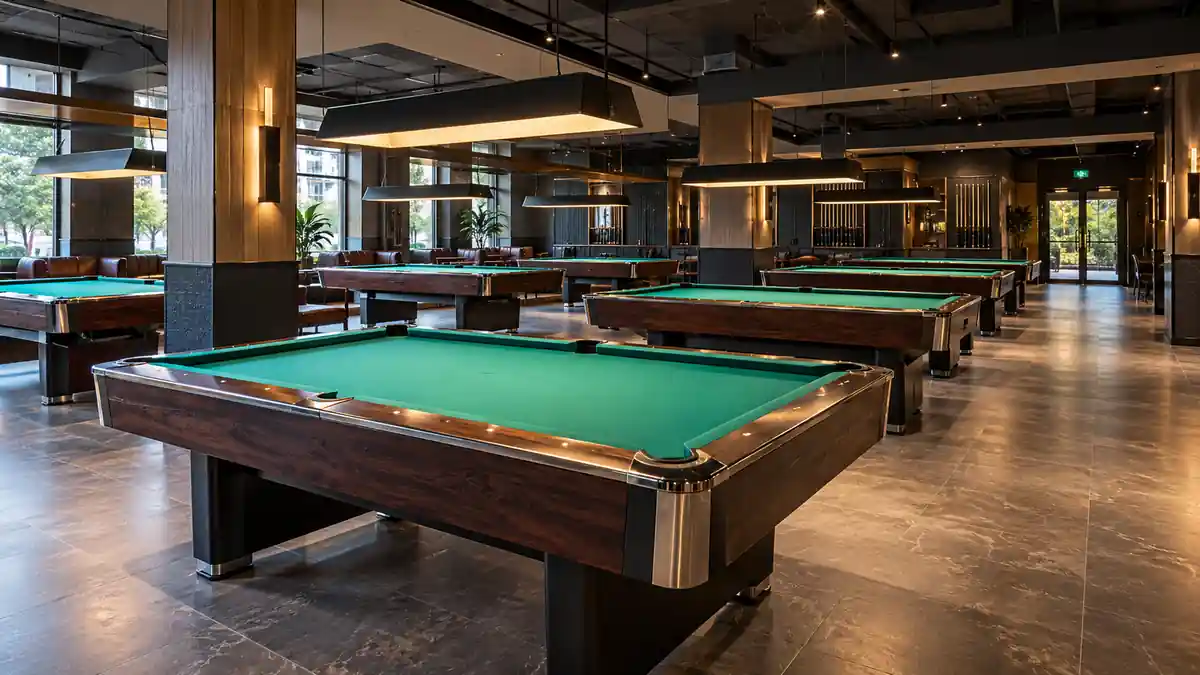
Separate three measurements in your documents:
- Playing surface: the usable area between the cushion noses.
- Overall table size: the complete external footprint of the selected model.
- Operational clearance: the space needed for cueing, circulation, seating and staff access.
A floor plan does not need to be a finished architectural drawing at the first enquiry stage. A clear measured plan is enough to identify obvious conflicts. Final table positions should still be checked against the actual selected models and the venue’s local building, access and safety requirements.
4. Define the Core Table Specification
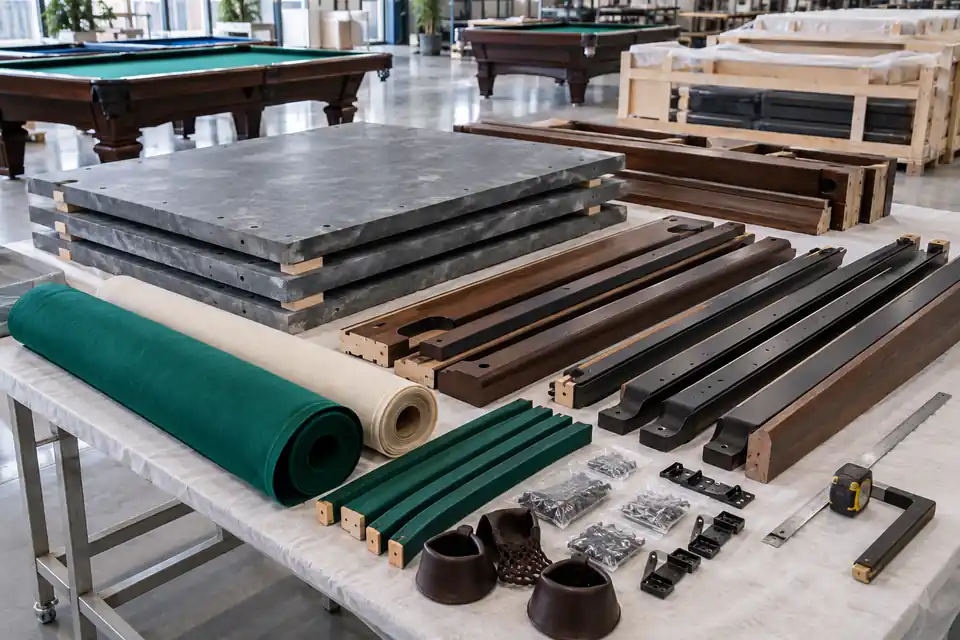
Ask the supplier to return a written specification for every quoted table group. At minimum, it should identify the following items.
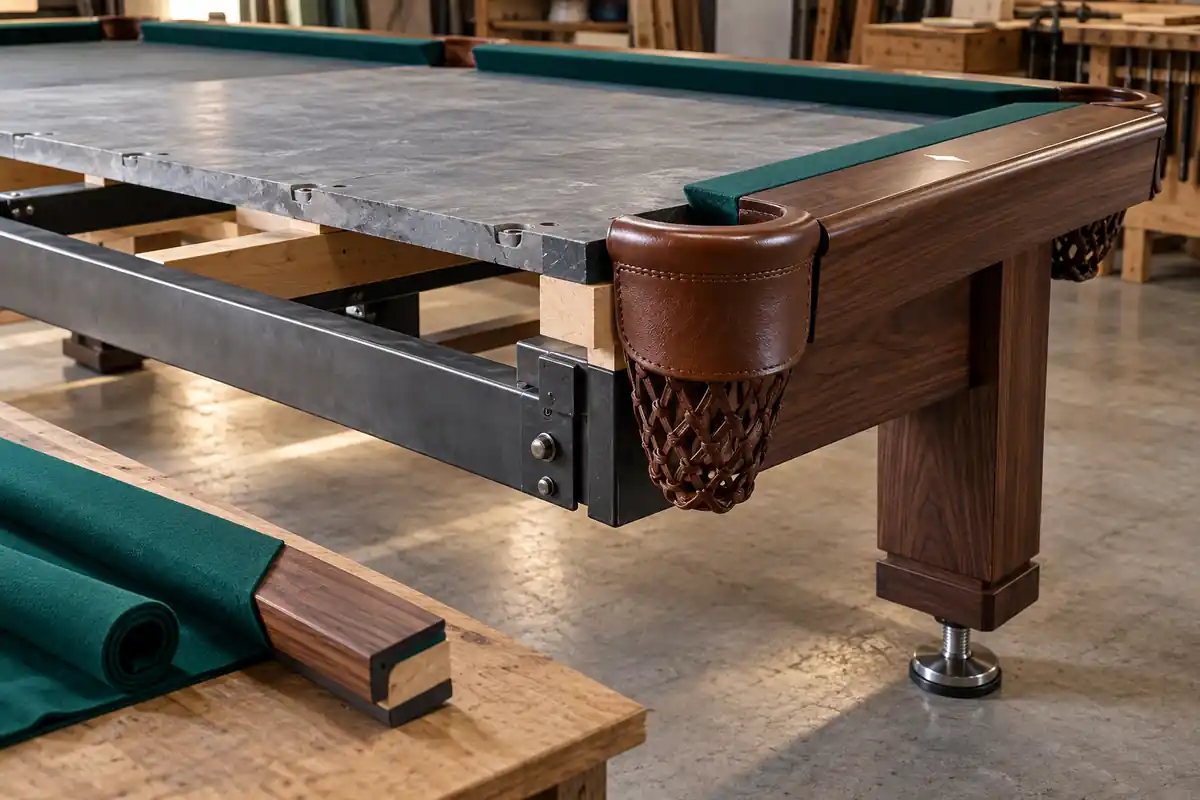
Table identity and dimensions
- manufacturer and model reference;
- game type;
- nominal table size;
- playing-surface dimensions;
- overall external dimensions;
- finished table height;
- approximate assembled weight.
Slate and support structure
- slate material;
- number of slate pieces;
- slate thickness;
- support-frame or undercarriage construction;
- leg or base construction;
- levelling method;
- any heating or electrical provision, if required.
Rails, cushions and pockets
- rail construction and finish;
- cushion profile or supplier specification;
- pocket style and opening reference;
- pocket liner, leather or net details where applicable;
- agreed rebound or playing-performance checks.
Cloth and playing accessories
- cloth brand and product reference, not only a colour name;
- cloth colour;
- ball size and set included;
- cues, racks, chalk and other included accessories;
- replacement cloth or spare components requested with the first order.
Appearance and branding
- frame and rail finish;
- wood, veneer, paint or metal colour reference;
- logo position, dimensions and application method;
- nameplates or branded components;
- approved rendering, sample or colour reference.
The purpose is not to create unnecessary paperwork. It is to make sure that the table approved by the buyer is the table priced, produced and inspected by the supplier.
5. Separate Standard Options from Custom Requirements
Customisation can mean several different things. A logo plate on a standard model is not the same production task as changing the table structure or developing a new base.
Divide requests into three levels:
Level 1: Standard selection
Examples include choosing an existing model, available finish, standard cloth option or normal accessory package.
Level 2: Appearance customisation
Examples include logo application, nameplates, selected colours, finish combinations or matching furniture details.
Level 3: Structural or product development
Examples include a non-standard size, altered frame, new base design, changed pocket construction, integrated lighting or another engineered modification.
For every custom item, ask the quotation to state:
- minimum order requirement, if any;
- drawing, rendering or sample approval stage;
- whether a development or tooling cost applies;
- effect on production schedule;
- what is included in the sample and bulk-production approval process;
- ownership and permitted use of logos, drawings and branded materials.
This separation prevents a buyer from assuming that every colour, logo, dimension and structure can be changed under the same price or lead time.
6. List Every Included and Excluded Item
Commercial orders often contain more components than the main tables. Ask for a line-by-line schedule rather than a single total with an unclear scope.
Possible line items include:
- pool, Chinese eight-ball or snooker tables;
- cloth and spare cloth;
- ball sets, cues, triangles and chalk;
- table covers;
- overhead lights;
- cue racks or cue display cabinets;
- spectator seating and sofas;
- carpets or flooring products;
- scoreboards or scoring accessories;
- installation tools or consumables;
- recommended spare and replacement parts.
The quotation should state whether each item is included, optional or excluded. The packing list and final inspection should follow the same item schedule.
7. Define Packing and Identification Requirements
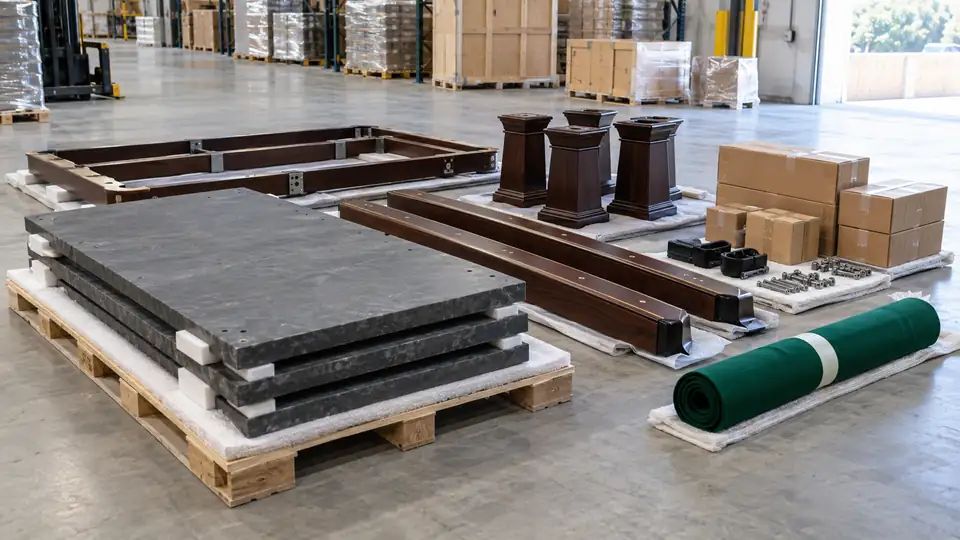
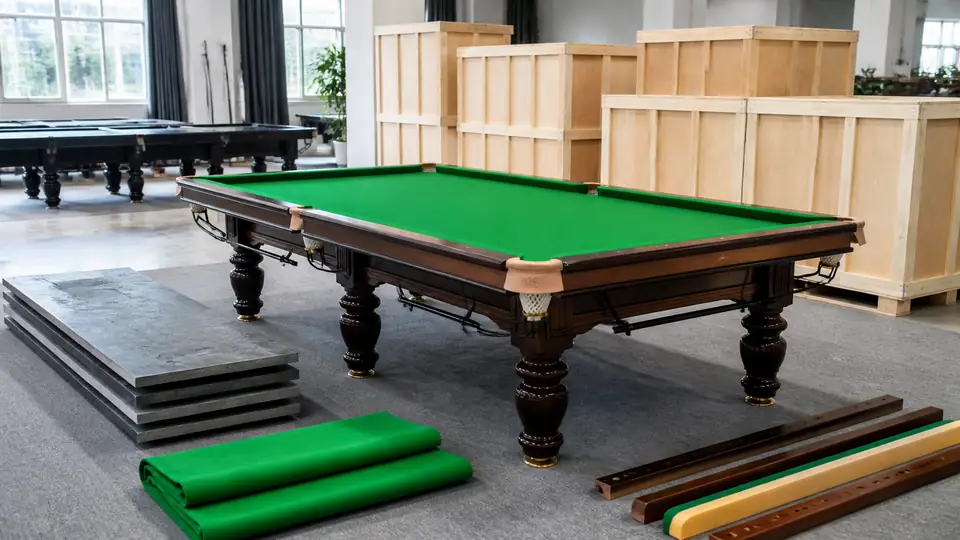
Commercial slate tables are normally shipped as protected components rather than as fully assembled tables. The slate, frame, legs or base, rails, cloth, hardware and accessories may be packed separately. That makes package identification important, especially when an order contains several table types or finishes.
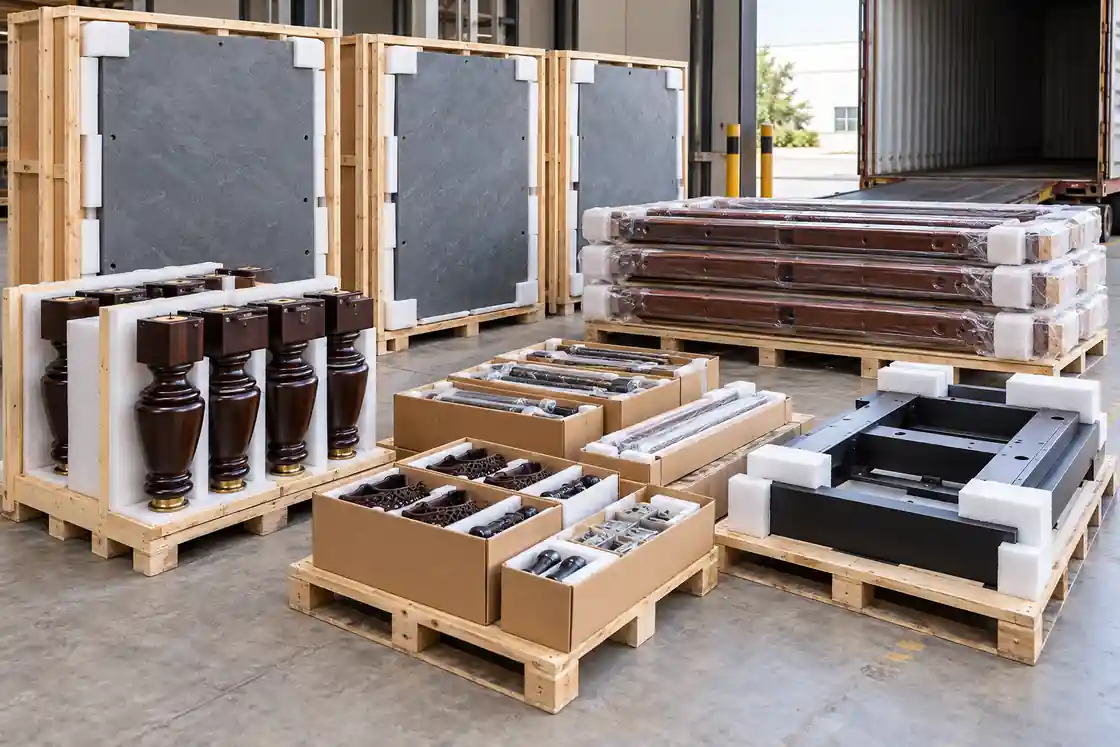
Ask the supplier to confirm:
- the packing method for slate, rails, frame, legs and accessories;
- estimated packed dimensions, gross weight and volume for each table group;
- the expected number of packages;
- package labels connecting each component to the order, model and table set;
- moisture, impact and edge protection used where appropriate;
- whether wooden packing is included and what shipping or destination requirements must be checked;
- loading plan or estimated container use for a multi-table order;
- the documents and photographs supplied before dispatch.
For more detail on the handover process, see the commercial pool table shipping guide.
8. State the Delivery Boundary Clearly
A product price and a delivered project cost are not the same thing. The RFQ should ask the supplier to identify where its responsibility starts and ends.
Confirm:
- the quoted trade or delivery term and named place;
- origin pickup or inland transport scope;
- export handling and documentation scope;
- main freight scope;
- insurance responsibility;
- destination charges and customs-clearance responsibility;
- import duties, taxes or government charges, where applicable;
- delivery to the venue or another receiving point;
- unloading, internal handling and storage;
- installation, levelling and final commissioning.
Requirements and costs depend on the destination, shipment, service provider and current rules. Ask the relevant customs broker, freight provider and local professionals to confirm destination obligations rather than treating an old example shipment as a current quotation.
For suppliers offering more than one delivery arrangement, compare the scope line by line. Baiyu’s existing EXW and DDP order guide provides a starting point, but the final written quotation should control the actual order.
9. Agree on Documents and Approval Points
Before placing the order, ask which documents will be issued and when buyer approval is required.
A project may use:
- quotation and commercial terms;
- product specification sheet;
- dimensioned drawing;
- component and accessory schedule;
- finish, cloth and logo approval;
- rendering or mock-up for customised appearance;
- production confirmation;
- quality-control or pre-shipment inspection record;
- packing list;
- package photographs and loading record;
- commercial invoice and applicable shipping documents;
- installation instructions and after-sales contact process.
The buyer should know which document takes priority if a catalogue image, drawing and written specification do not match. In most commercial projects, a signed or otherwise clearly approved specification and drawing should be the practical production baseline.
10. Define Inspection Before Production Starts
Do not wait until the tables are packed to decide what should be inspected. Include the inspection scope in the RFQ or order confirmation.
Possible checks include:
- model, quantity and approved finish;
- overall and playing dimensions;
- accessible slate identification and condition;
- frame, base and levelling components;
- rails, cushions and pockets;
- cloth brand, reference and colour;
- branding and nameplate position;
- accessories and spare parts;
- assembly or trial-assembly evidence where applicable;
- visible workmanship and finish;
- package protection, labels, quantities and packed data.
Inspection should be matched to the approved specification, not to broad descriptions such as “professional quality.” The pool table pre-shipment inspection checklist can be used to prepare a more detailed inspection plan.
11. Ask for a Comparable Quotation Format
To compare suppliers fairly, ask each one to return the same core information.
| Quotation section | Information to request |
|---|---|
| Product | Model, table type, specification revision and quantity |
| Unit scope | Included components and accessories per table |
| Custom scope | Logo, finish, structure, drawings, samples and approval stages |
| Price | Unit price, optional items and total by line |
| Packing | Method, package count, estimated packed dimensions, weight and volume |
| Delivery | Quoted term, named place and included logistics services |
| Schedule | Approval milestones, estimated production period and dispatch basis |
| Inspection | Supplier checks, buyer or third-party inspection access and evidence supplied |
| Payment | Currency, payment stages and conditions |
| After-sales | Installation guidance, issue-reporting process and parts support |
| Validity | Quotation validity and assumptions that may change the price |
The cheapest total is not necessarily the lowest comparable offer. First check whether the products, accessories, packing, delivery boundary and after-sales scope are actually the same.
12. Copy-and-Send RFQ Template
Use the following structure for an initial enquiry. Replace the bracketed fields with your project information.
Project: [new club / renovation / distribution / other]
Destination: [city, state or region, country, postcode]
Target opening or delivery period: [month or date range]
Venue: [floor area and short description]
Table schedule: [game type, size and quantity for each group]
Preferred specifications: [slate, cloth, finish, cushions, pockets or reference standard]
Custom requirements: [logo, colour, finish, dimensions, packaging or product development]
Additional products: [lights, cues, balls, cue cabinets, seating, carpets, spare parts]
Delivery scope requested: [state the quotation or delivery boundary required]
Site access: [ground floor / stairs / lift / loading dock / restricted access]
Installation support: [instructions / remote guidance / other requested scope]
Documents requested: [specification, drawing, packing data, inspection evidence and shipping documents]
Attachments available: [floor plan, reference images, brand files or other documents]
For a preliminary enquiry, it is acceptable to mark some items “to be confirmed.” The important point is to make those open decisions visible so they can be resolved before production.
Common RFQ Mistakes to Avoid
Asking only for the best price
Without a fixed specification and scope, the buyer may receive a low figure that cannot be compared with another quotation.
Using only a photo as the specification
A photo does not define dimensions, internal structure, slate, cushion, cloth, hardware, packing or accessories.
Treating every table called “9 ft” as identical
Nominal size labels do not replace playing-surface and overall dimensions, pocket details or the intended game standard.
Leaving delivery and installation until after production
Site access, packed component sizes, unloading and installation responsibility can change the practical project plan. They should be discussed before the order is finalised.
Approving custom work verbally
Logo position, finish, dimensions and structural changes should be shown in an approved document, drawing, rendering or sample reference.
Plan Your Pool Table Project with Clear Specifications
Send Baiyu your destination, venue type, preferred table types, quantities, target opening date and custom requirements. Our team can review the information and identify the specifications, packing data and quotation details still needed for the project.