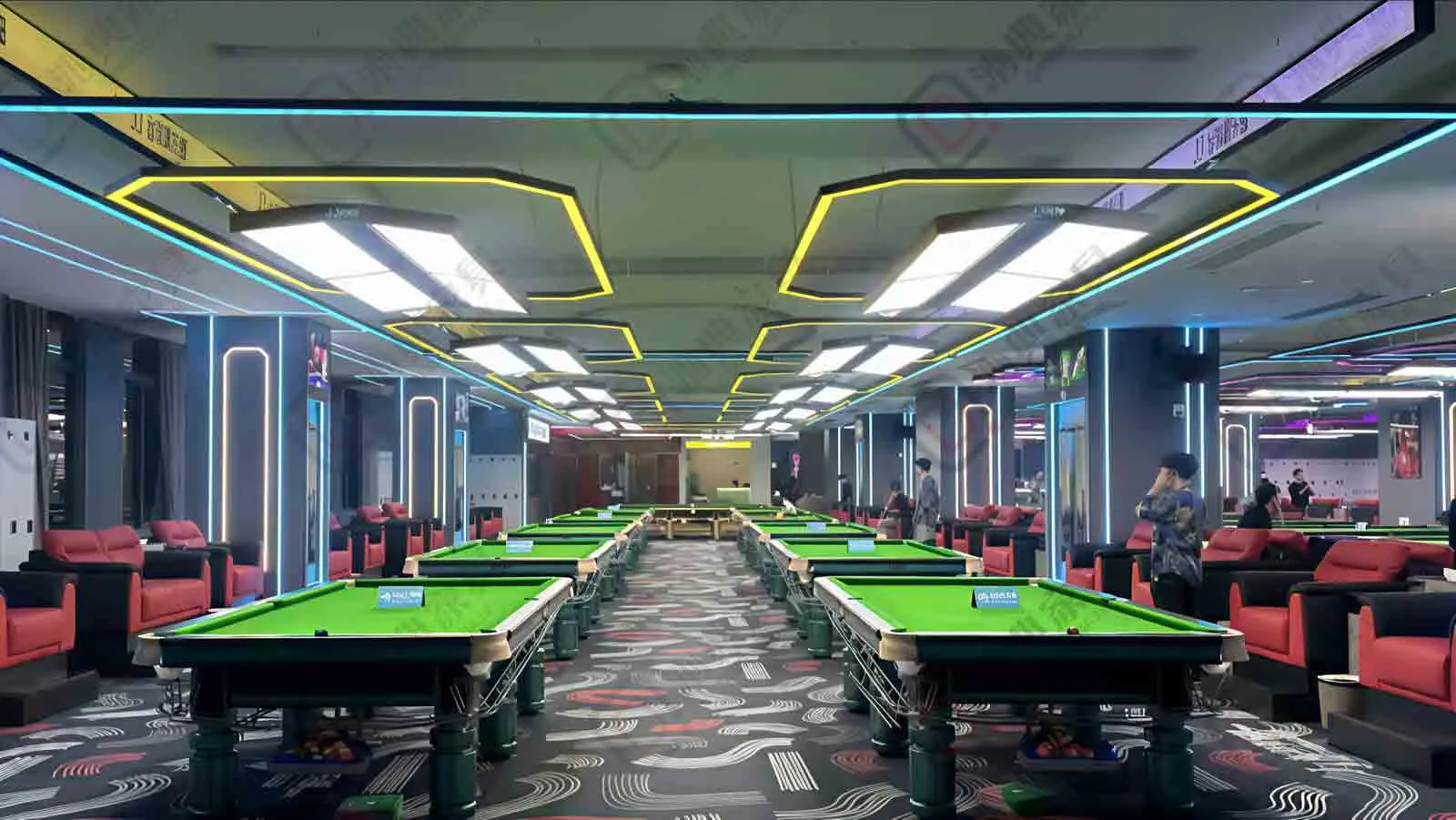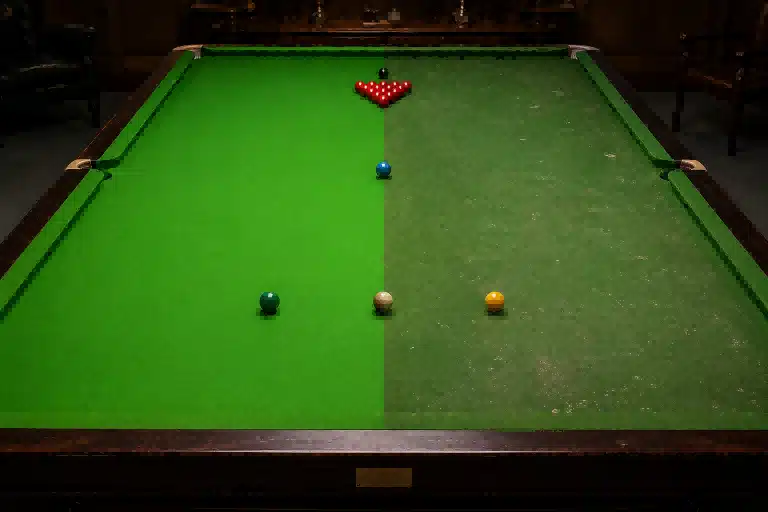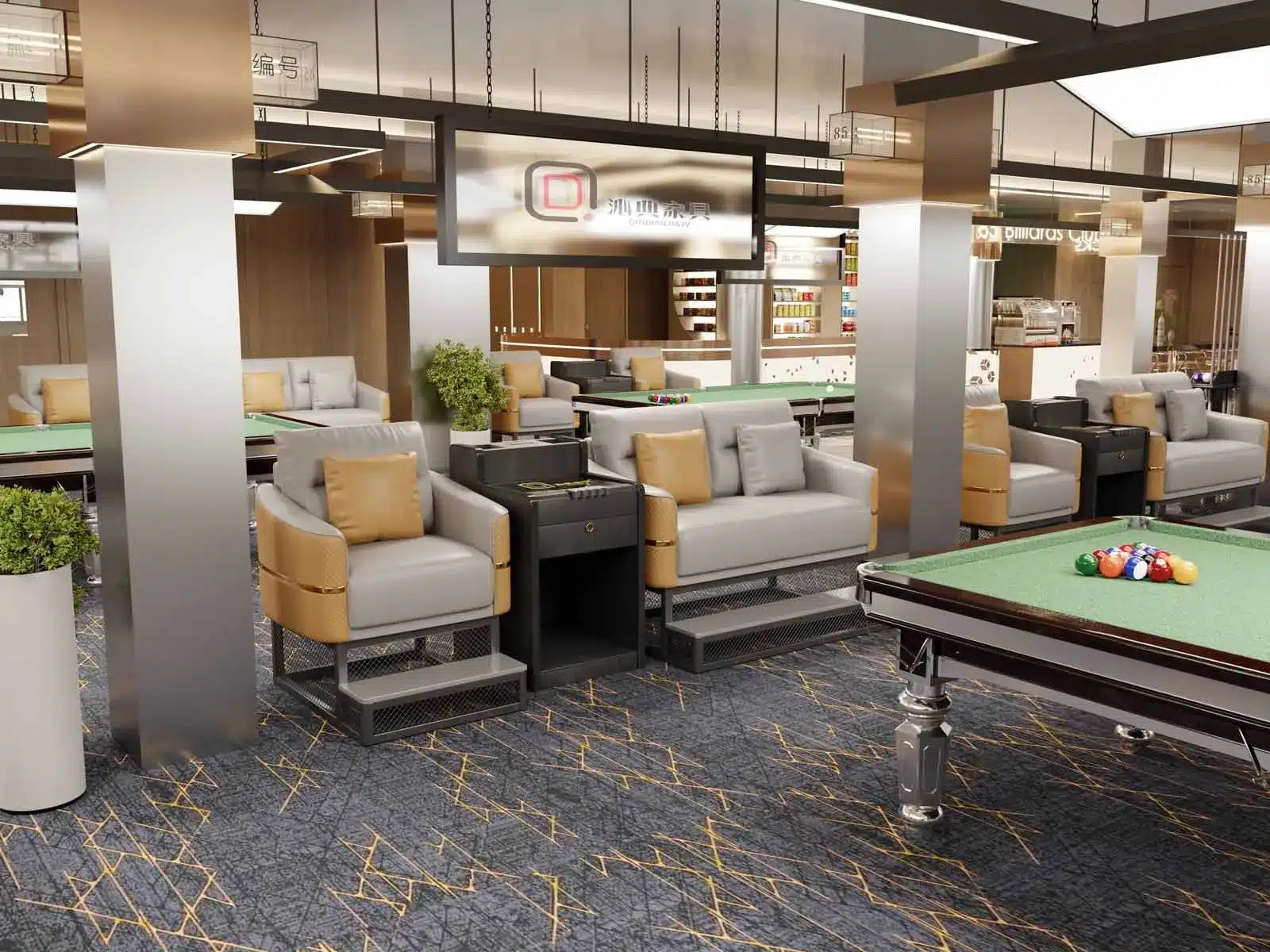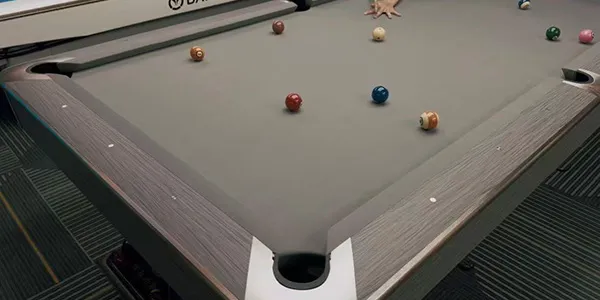
Learn the real difference between slate and wood pool tables for pool halls, clubs, bars, and commercial venues. Understand long-term cost, consistency, and buying mistakes before you order.
If you are buying pool tables for a pool hall, club, bar, or entertainment venue, the safer long-term choice is usually simple: go with slate, not wood.
At first, wood-bed tables can look attractive. They are cheaper, lighter, and easier to ship. On paper, that sounds like a smart way to save money.
But many venue owners discover the real problem later.
What matters in commercial use is not just the purchase price. What matters is whether the table still plays well after months of daily use, whether customers feel the balls roll consistently, and whether you end up dealing with leveling problems, maintenance issues, or early replacement.
That is why so many buyers regret focusing too much on upfront cost and not enough on long-term performance.
What Is the Difference Between a Slate and Wood Pool Table?
A slate pool table uses natural slate under the cloth as the playing surface foundation. This is the material commonly associated with professional and tournament-grade tables because it offers a flatter, more stable surface.
A wood bed pool table uses wood-based materials such as plywood, particle board, or MDF instead of slate. These tables are usually more affordable and lighter, but they are generally better suited to home use or light recreational use than to heavy commercial traffic.
In short:
- Slate = higher stability and better long-term consistency
- Wood = lower upfront cost, but more compromise over time
Why Pool Hall Owners Often Make the Wrong Choice
The mistake usually happens at the buying stage.
A first-time buyer often sees:
- a lower quotation,
- lower shipping weight,
- and a similar-looking table in photos.
That makes the cheaper option feel like the smarter option.
But after opening, commercial reality takes over:
- the tables are used every day,
- multiple customers play on them for hours,
- the venue experiences humidity and temperature changes,
- and players become sensitive to how the table actually performs.
Customers may not ask what material is under the cloth.
But they will notice if a table feels inconsistent.
And once customers feel that a table does not play right, the problem is no longer just technical — it becomes a reputation issue.
Slate vs Wood Pool Tables: A Simple Comparison
| Factor | Slate Pool Table | Wood / MDF Pool Table |
|---|---|---|
| Upfront cost | Higher | Lower |
| Weight | Heavier | Lighter |
| Flatness stability | Better | Less stable |
| Long-term consistency | Better | More likely to vary |
| Commercial suitability | High | Lower |
| Best use case | Pool halls, clubs, commercial venues | Home use, light recreation, temporary setups |
The easiest way to think about it is this:
Wood can save money when you buy. Slate can save trouble after you open.
Why Slate Makes More Sense for Commercial Venues
1. Commercial players notice consistency
In a pool hall, customers expect the table to play the same way from one session to the next.
They notice things like:
- how smoothly the ball rolls,
- whether speed feels predictable,
- whether the table feels even,
- and whether different tables in the venue play similarly.
If the playing experience feels inconsistent, customers may not know why — but they will still feel it.
2. Heavy use exposes weak points faster
A table in a private home and a table in a commercial venue live very different lives.
At home, the table may be used a few times a week.
In a commercial venue, it may be used all day, every day.
That difference is exactly why commercial buyers need to think beyond the initial price.
3. Cheap upfront does not always mean cheap overall
A lower purchase price can be appealing, especially when opening a new venue and trying to control budget.
But the real cost of a commercial table includes more than the invoice:
- maintenance,
- adjustments,
- downtime,
- customer complaints,
- and possible early replacement.
That is why many experienced buyers stop asking, “Which one is cheaper today?”
Instead, they ask, “Which one will still make sense after two or three years?”
When a Wood Pool Table Can Still Be a Good Option
To be fair, wood-bed tables are not always the wrong choice.
They can work well for:
- home game rooms,
- low-frequency recreational use,
- temporary projects,
- budget-sensitive casual spaces,
- or situations where serious playing quality is not the top priority.
If your goal is simply to have a table for light use, a wood-bed option may be perfectly acceptable.
The problem starts when buyers use that same logic for a professional or semi-professional venue.
When You Should Definitely Choose Slate
A slate table is usually the better choice if:
- you are opening a pool hall,
- the tables will be used daily,
- customer experience matters,
- you want a more professional image,
- or you plan to operate long term.
For commercial venues, a pool table is not just a piece of furniture. It is part of the product you sell.
You are not only selling a table.
You are selling play quality, consistency, and trust.
The Real Buying Question
Instead of asking:
“Which table is cheaper?”
Ask:
- Which table is more suitable for commercial use?
- Which one is more likely to stay consistent over time?
- Which one reduces the chance of complaints?
- Which one gives my venue a more professional playing experience?
- Which one makes better business sense over the long run?
That is usually where slate starts to look less expensive than it first seemed.
Final Thoughts
For home use, a wood-bed table may be enough.
For commercial use, slate is usually the smarter long-term investment.
Yes, the upfront cost is higher.
But for pool hall owners, the bigger risk is rarely overspending on quality.
The bigger risk is trying to save money at the beginning, then paying for that decision later through maintenance, inconsistency, and customer dissatisfaction.
If the table will be part of your business, slate is usually the safer bet.
Quick FAQ
Is a slate pool table better than a wood pool table?
For commercial use, usually yes. Slate offers better stability and more consistent play over time.
Are wood pool tables bad?
Not necessarily. They can be fine for home use, casual recreation, or temporary setups.
Why do commercial venues prefer slate?
Because commercial venues need better durability, better consistency, and a more professional playing experience.
Is a wood-bed table cheaper?
Yes, usually upfront. But long-term cost can be higher if performance or maintenance becomes an issue.
What is the best choice for a pool hall?
In most cases, a slate pool table is the better long-term choice for a pool hall or club.