What are the Components of a Snooker Table? A Professional Guide
When you step into a high-end billiard club, the majestic presence of a Snooker table is unmistakable. Larger, heavier, and more precise than a standard pool table, a Snooker table is a masterpiece of engineering.
But what exactly lies beneath that iconic green baize? Whether you are a club owner looking to invest or a professional player seeking the perfect bounce, understanding the components of a Snooker table is essential for making an informed choice.
The Heritage: Where Did the Snooker Table Originate?
The game of Snooker was birthed in the late 19th century (around 1875) by British Army officers stationed in India. It evolved from “Black Pool” and “Pyramids.” As the game grew in complexity, so did its equipment.
The modern Snooker table is a result of over 150 years of refinement, transitioning from wooden beds to the heavy Italian or Brazilian slates used today to ensure absolute flatness and durability.
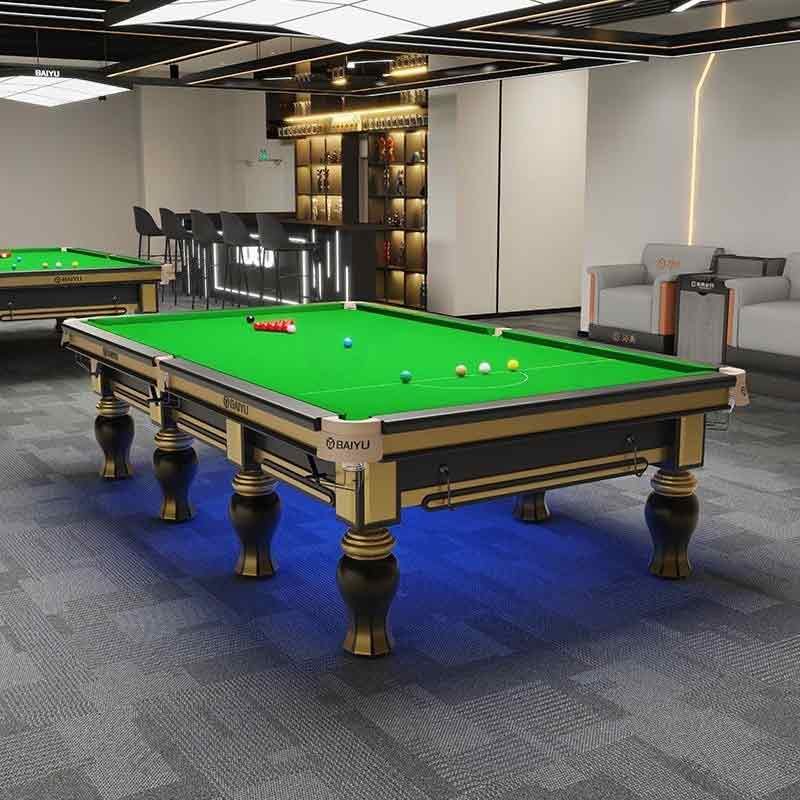
The Anatomy of a Snooker Table: Key Components
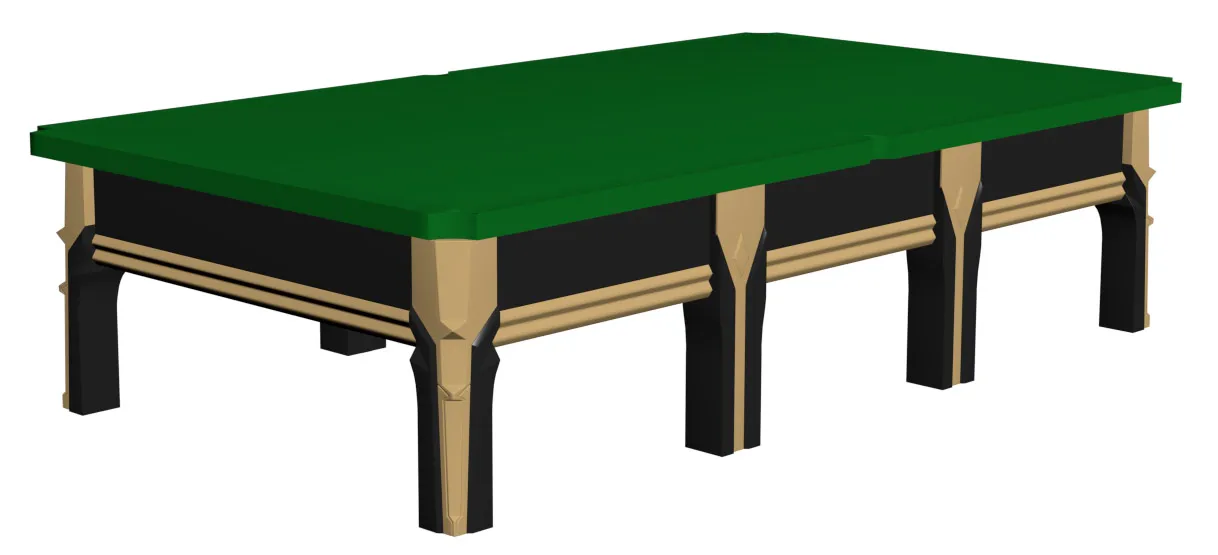
A professional Snooker table (standard 12ft x 6ft) is composed of several critical parts. Each plays a vital role in the ball’s speed, trajectory, and overall gameplay.
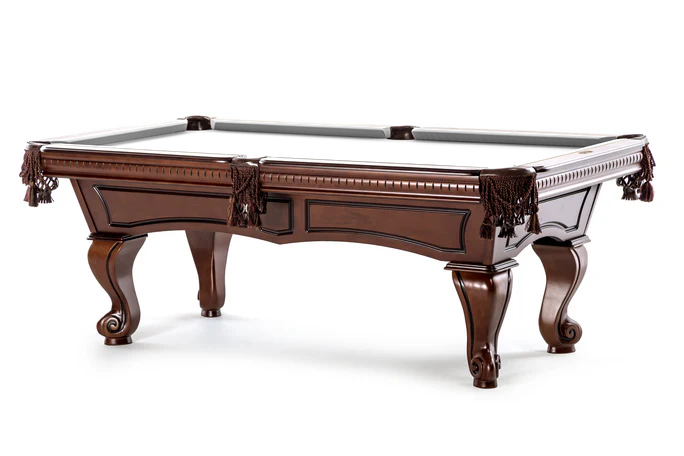
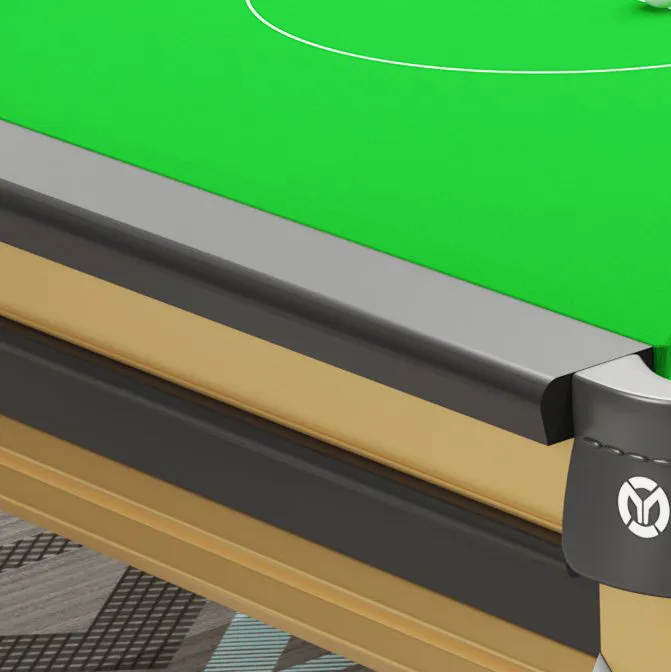
1. The Frame (The Foundation)
The frame is the “backbone” of the table. Due to the immense weight of the slate (which can exceed 1,000kg), the frame must be crafted from high-quality solid hardwoods like Mahogany, Oak, or Walnut.
- Key Feature: A robust frame prevents warping over time and provides the stability needed for precision shots.
2. The Slate Bed
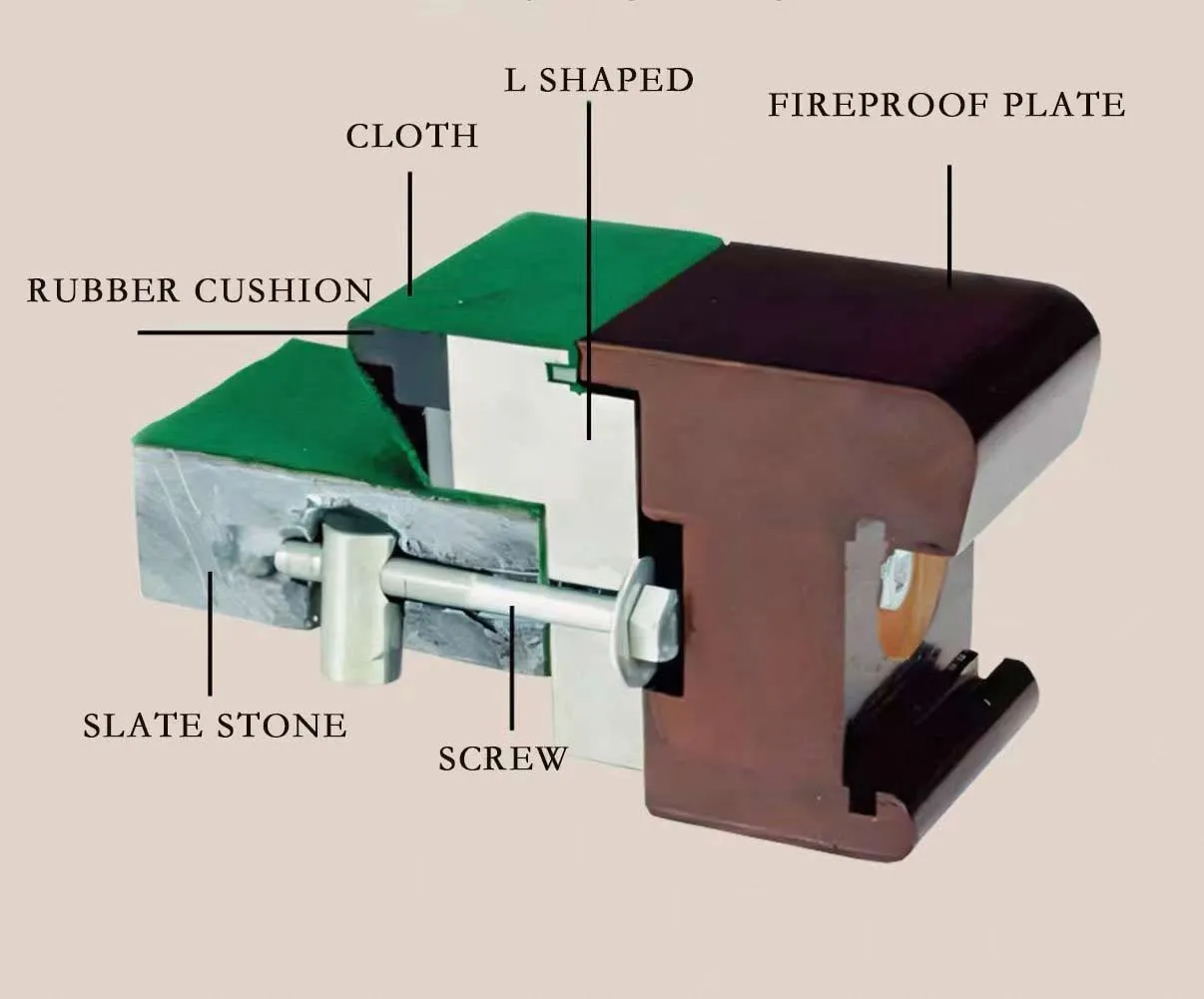
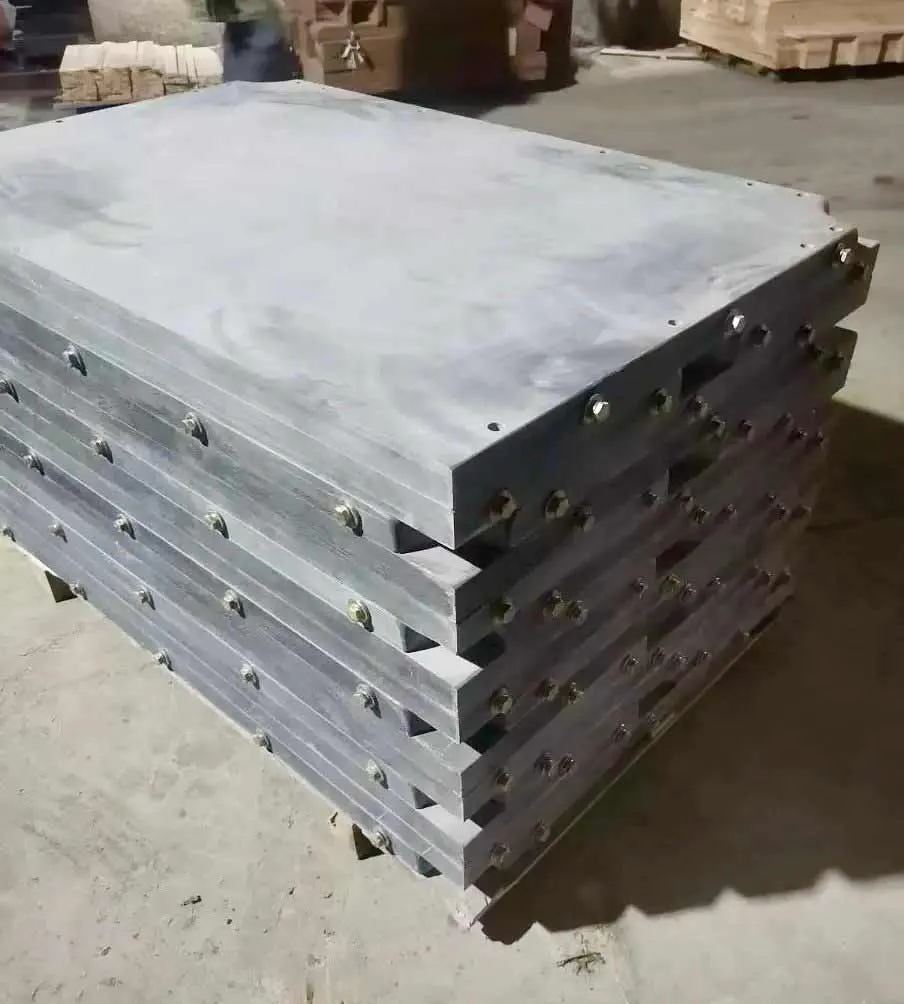
The playing surface is made of slate, typically divided into five pieces for a full-size table.
- Thickness Matters: Professional tables use slates between 45mm and 50mm thick.
- Precision Leveling: These slates are honed to a tolerance of less than 0.1mm to ensure the ball rolls perfectly straight.
3. The Cushions (Rubber)
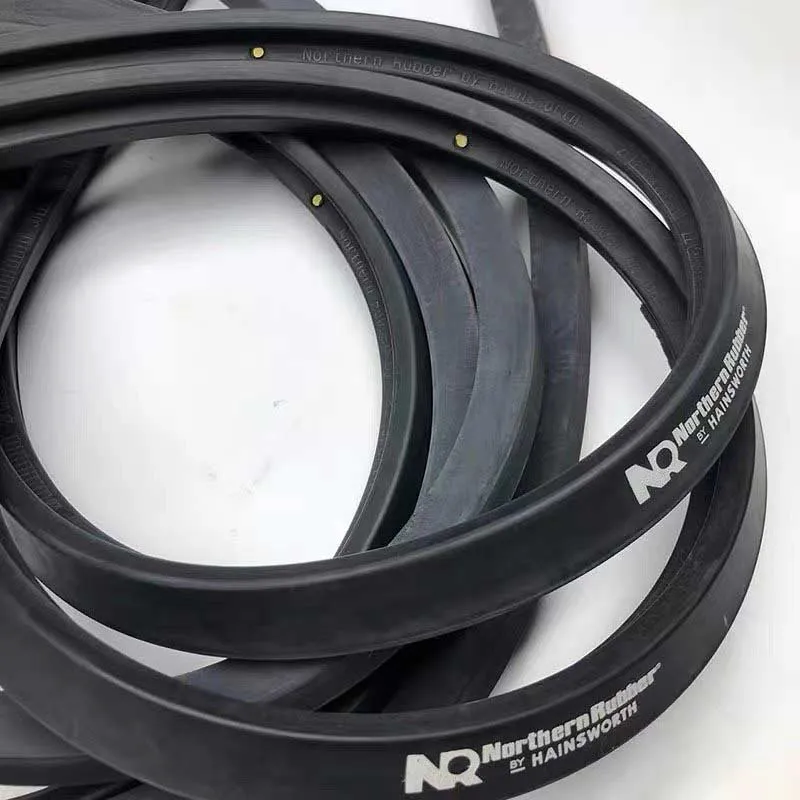
The cushions are the rubber strips attached to the inner side of the wooden rails.
- Northern Rubber: Most professional tables use high-elasticity “Northern Rubber.”
- The Profile: Snooker cushions have a specific “L-shaped” profile, which is different from the triangular profile used in American Pool.
4. The Cloth (The Baize)
Often called the “felt,” Snooker cloth is actually a high-density wool blend.
- The “Nap”: Unlike pool cloth, Snooker cloth has a directional nap. Brushing and ironing the cloth in the direction of the nap is crucial for maintaining ball speed and consistency.
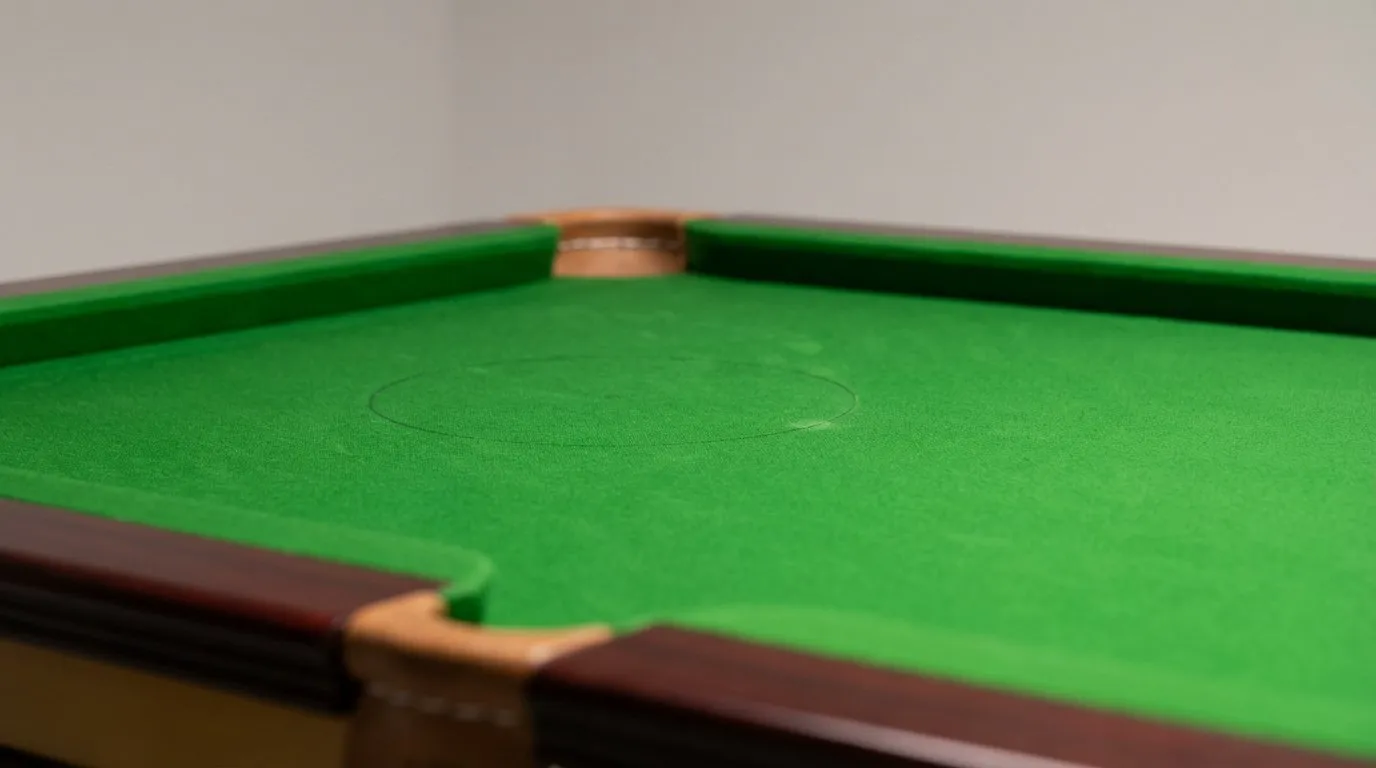
5. The Pockets
A Snooker table has six pockets.
- The Cut: Snooker pockets are smaller and have rounded “shoulders” compared to the sharp angles of pool pockets, making them significantly more difficult to pot into.
- Materials: High-end tables feature genuine leather “bucket” pockets and brass rails.

How to Judge the Quality of a Snooker Table
If you are looking to buy, keep this checklist in mind to distinguish a professional-grade table from a budget imitation:
| Feature | Professional Standard | Budget/Low Quality |
| Frame Material | Solid Hardwood | MDF or Plywood |
| Slate Thickness | 45mm – 50mm (5-piece) | Under 25mm (1 or 3-piece) |
| Cloth Brand | Strachan (6811) or Hainsworth | Generic Synthetic Blend |
| Cushion Response | Consistent, quiet bounce | Dull “thud” or erratic speed |
| Leveling System | Micro-adjustable leg bolts | Shims or no adjustment |
Frequently Asked Questions
Is a Snooker table the same size as a Pool table?
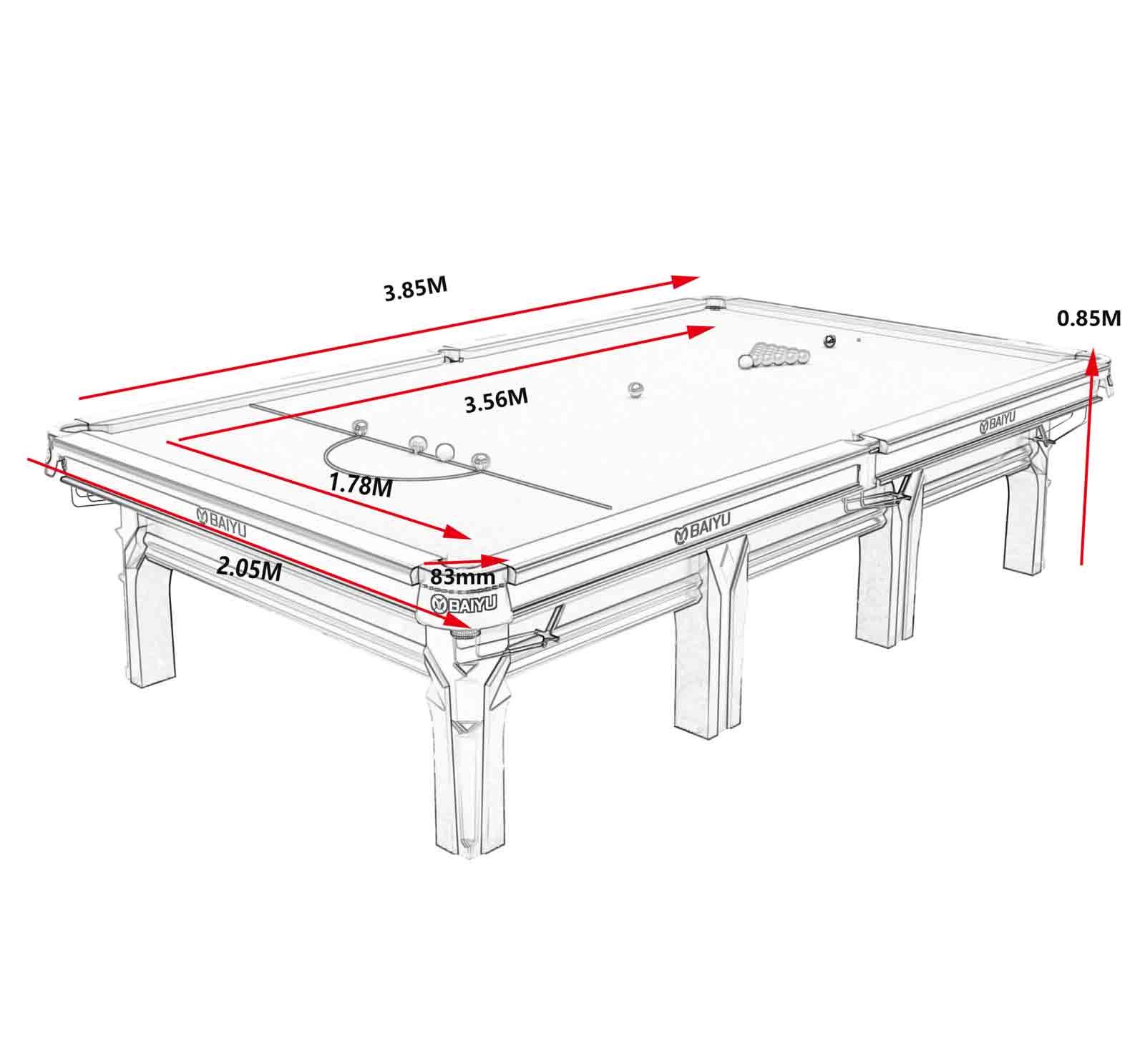
No. A standard full-size Snooker table is 12 x 6 feet, while a professional American pool table is typically 9 x 4.5 feet.
Why is Snooker cloth green?
The green color was originally chosen to mimic the grass of lawn games, from which cue sports evolved. While other colors (like blue or charcoal) are available, “Tournament Green” remains the industry standard.
How often should I re-cloth my table?
For commercial clubs, every 6–12 months. For home use, high-quality wool cloth can last 3–5 years if brushed and ironed regularly.
Why Choose BAIYU for Your Snooker Needs?
Investing in a Snooker table is a long-term commitment. At Baiyu, we don’t just sell tables; we deliver professional-grade playing experiences.
- Premium Material Sourcing: We use only the finest Grade-A slates and sustainably sourced hardwoods.
- Expert Installation: Our technicians ensure your table is leveled to professional tournament standards.
- Global Shipping & Support: Whether you are setting up a private game room or a multi-table club, we provide door-to-door logistics and maintenance advice.
- Customization: From cloth color to frame finish, we tailor every table to your aesthetic.
Ready to elevate your game?
[Browse Our Professional Snooker Table Collection →]
Contact our specialists today for a free quote and layout consultation.
People also ask
What type of slate is used in a professional snooker table?
Professional snooker tables typically use premium Italian or Chinese slate. For a full-size table, this slate is divided into 5 precision-ground sections rather than a single piece. The standard thickness for tournament play is 45mm to 50mm, which provides the ultimate mass and stability to ensure a perfectly level playing surface that won’t warp over time.
What is the difference between steel block cushions and traditional cushions?
Traditional cushions bolt the rubber directly to the wooden rails. Steel block cushions incorporate a heavy steel plate between the rubber and the wood cushion rail. This added mass creates a much more solid foundation, delivering a faster, more consistent, and quieter ball rebound. Steel blocks are the standard for professional ranking tournaments.
Why is a full-size snooker table split into five pieces of slate instead of three?
While American pool tables often use 3 pieces of slate, a full-size 12ft snooker table is much larger and significantly heavier (the slate alone can weigh over 900 kg). Splitting the bed into 5 pieces allows for easier transportation, safer handling, and more precise leveling during installation by professional fitters.
How often should the cloth (baize) on a snooker table be replaced?
The lifespan of a snooker cloth depends entirely on usage and maintenance. In a busy commercial club, the bed cloth usually needs replacing every 6 to 12 months. For private home tables with regular brushing and ironing, a high-quality wool cloth (like Strachan 6811) can last 2 to 3 years before losing its nap and speed.
What are the exact dimensions and weight of a full-size snooker table?
A standard full-size tournament snooker table measures 12 feet by 6 feet on the playing surface. When fully assembled with solid wood legs, steel cushions, and thick slates, the total weight ranges between 1,200 kg and 1,500 kg (2,600 to 3,300 lbs), requiring a reinforced floor.
You might also want to know about snooker