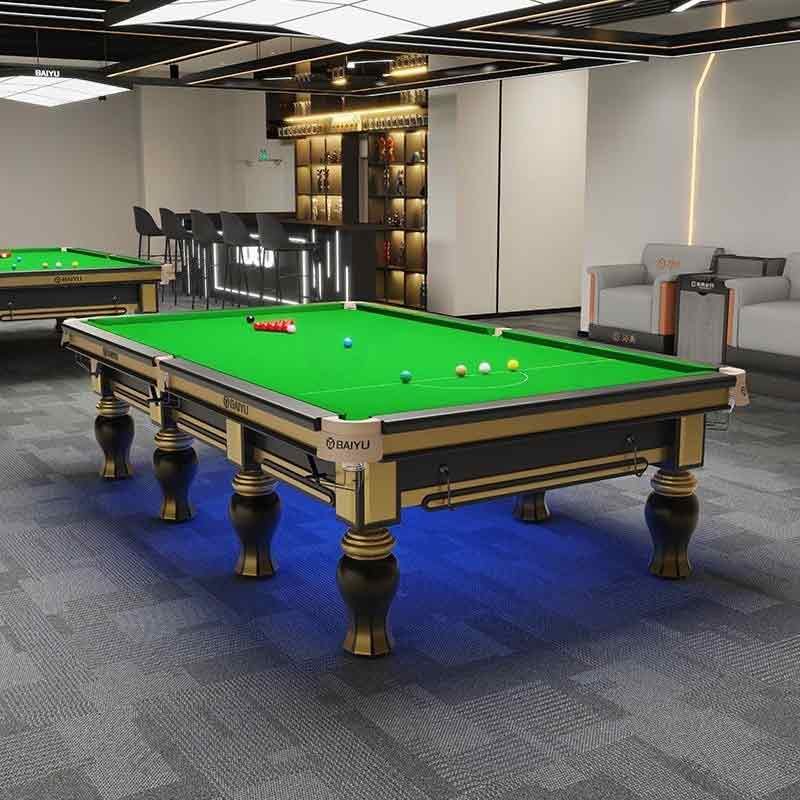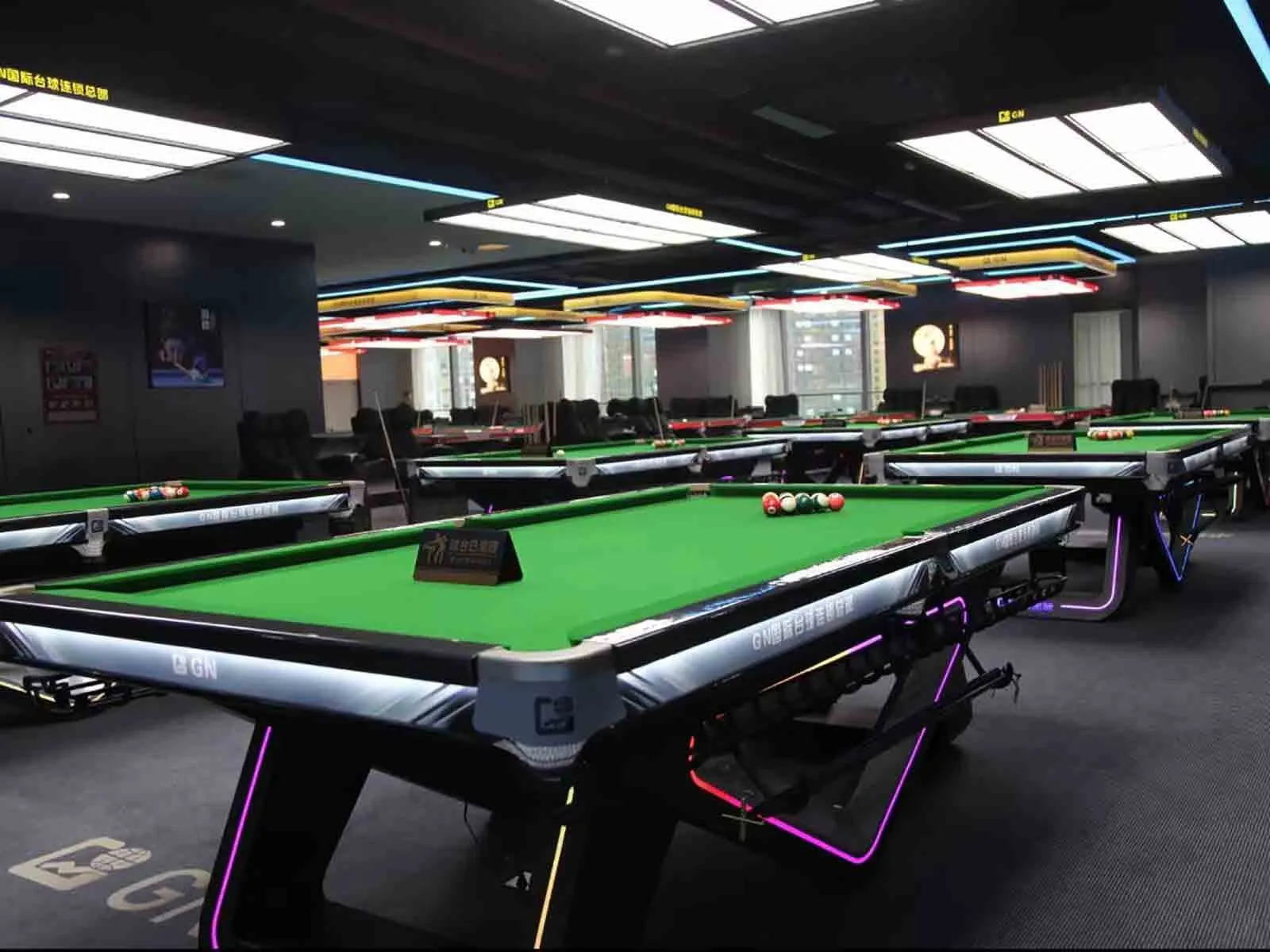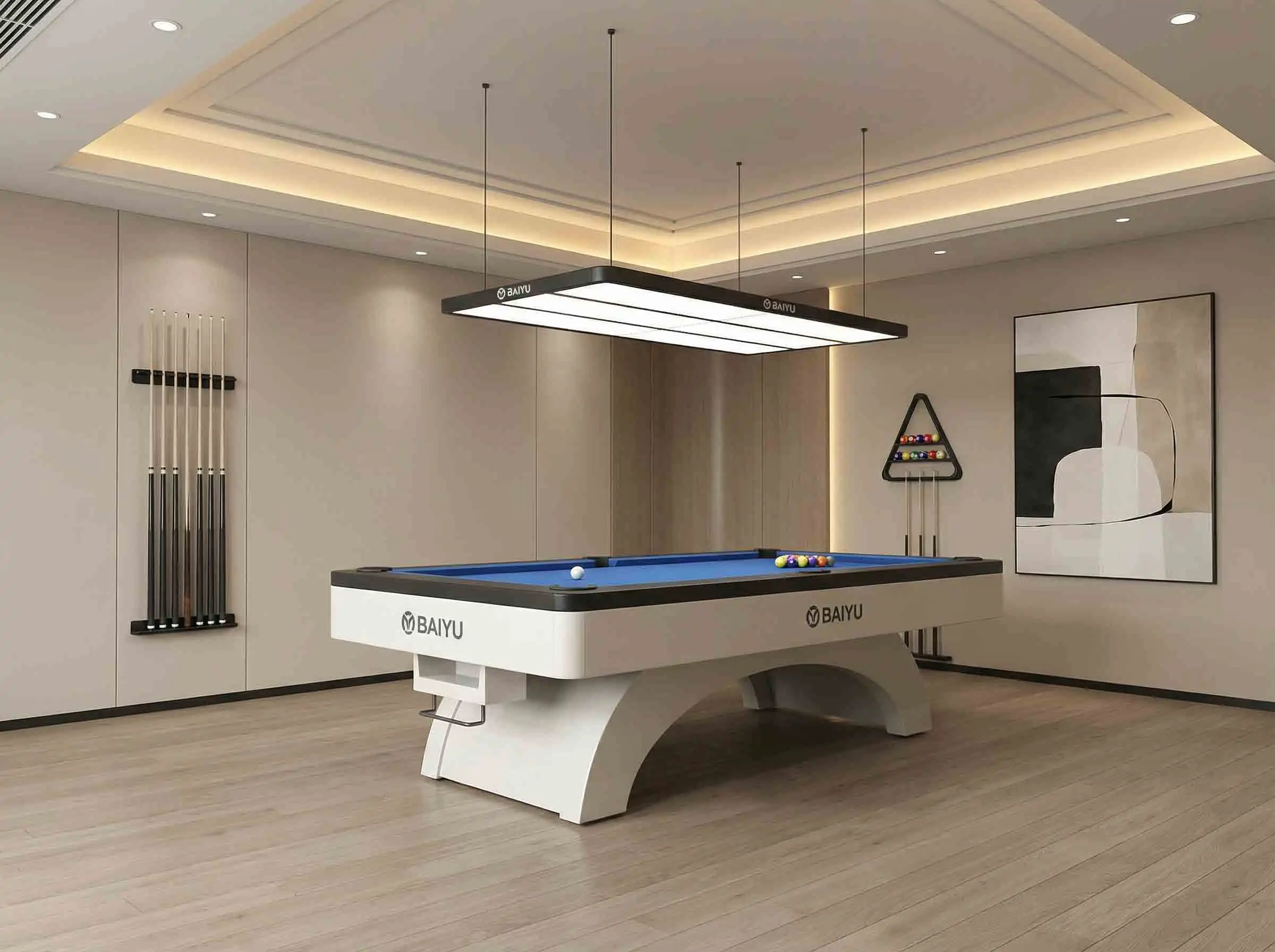
Buying a snooker table is more than selecting a piece of furniture—it’s an investment in playing performance, customer experience, and long-term value. Whether you’re sourcing for a snooker club, sports academy, hotel, entertainment venue, or distribution business, understanding what separates a professional table from an average one can help you make a smarter purchasing decision.
Many buyers focus on appearance or price alone, but the true quality of a snooker table lies beneath the surface. From the slate bed and cushion system to the heating technology and cloth selection, every component contributes to the overall playing experience.
This guide brings together the essential knowledge every buyer should know before purchasing a professional snooker table.
1. What Defines a Professional Snooker Table?
A professional snooker table is designed to provide consistent ball roll, precise rebound, structural stability, and long service life. It is the result of multiple engineering elements working together rather than a single premium material.
The key components typically include:
- Natural slate playing bed
- Professional snooker cloth
- Cushion rubber system
- Steel cushion profiles
- Hardwood cabinet and frame
- Strong support structure
- Heating system (optional or standard depending on application)
- Precision leveling mechanism
For a complete breakdown of every structural element, read our guide:
➡️ What Are the Components of a Snooker Table? A Professional Guide
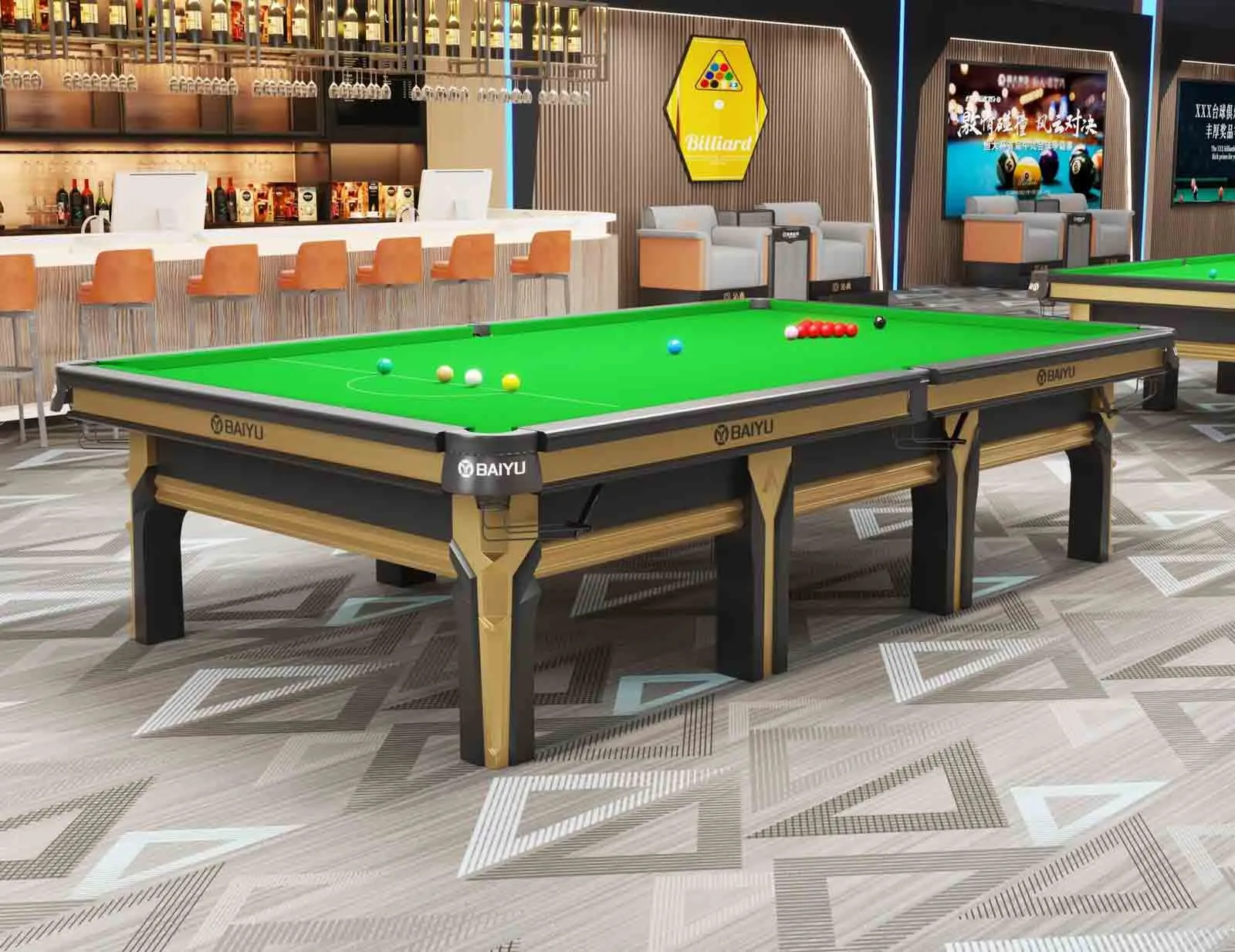
2. Why the Slate Is the Foundation of Playing Performance
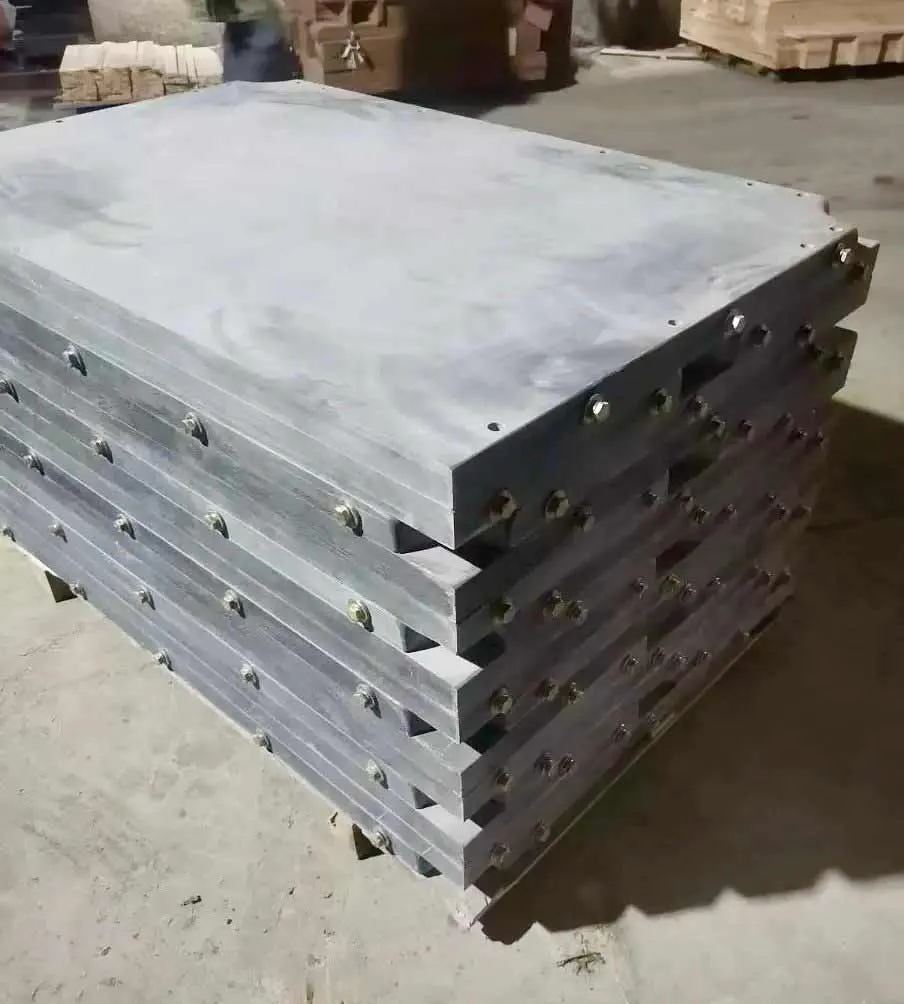
The slate bed is often considered the heart of a snooker table.
Unlike MDF or composite boards used in lower-end recreational products, natural slate provides exceptional flatness and dimensional stability. This allows balls to travel smoothly and predictably across the entire playing surface.
When evaluating slate quality, buyers should pay attention to:
- Surface flatness
- Material consistency
- Machining precision
- Joint alignment
- Long-term stability
For commercial venues, investing in high-quality slate can reduce maintenance requirements and deliver a more professional experience for players over many years.
Instead of focusing only on thickness, it’s more important to work with a manufacturer that maintains strict quality control throughout production.
3. Cushion Performance: The Difference Players Can Feel
Even with excellent slate, poor cushions will significantly reduce playing quality.
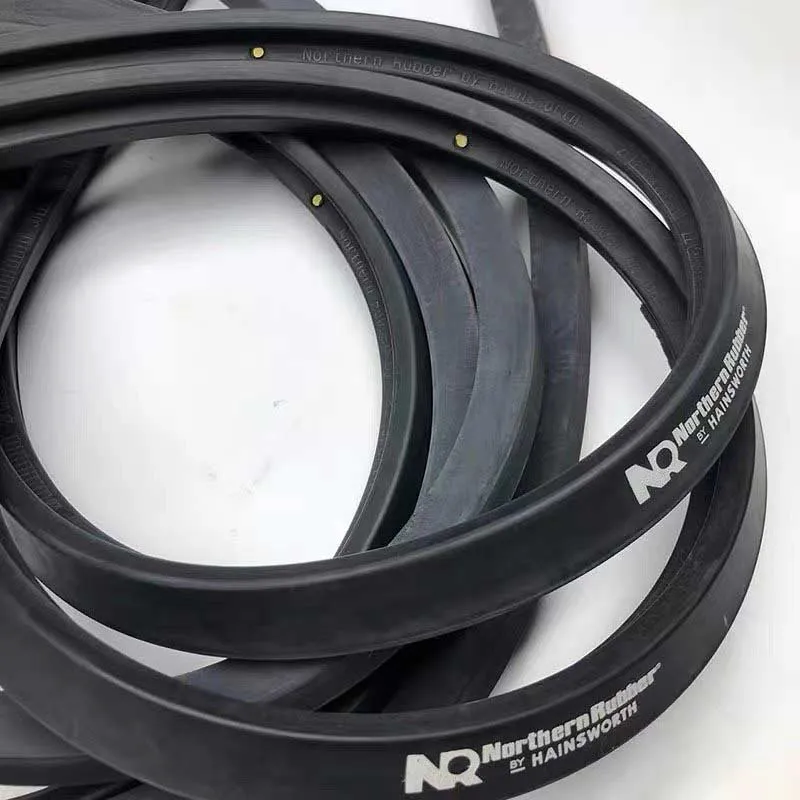
Professional cushion rubber affects:
- Ball rebound accuracy
- Energy transfer
- Shot consistency
- Long-term elasticity
Low-quality rubber often hardens over time, resulting in unpredictable rebounds and inconsistent gameplay.
When purchasing a snooker table, ask suppliers about:
- Rubber material specifications
- Manufacturing process
- Durability testing
- Expected service life
For a deeper explanation, see:
➡️ Snooker Cushion Rubber Quality Guide: How to Identify Good Cushion Performance
4. L-Style vs. I-Style Steel Cushions
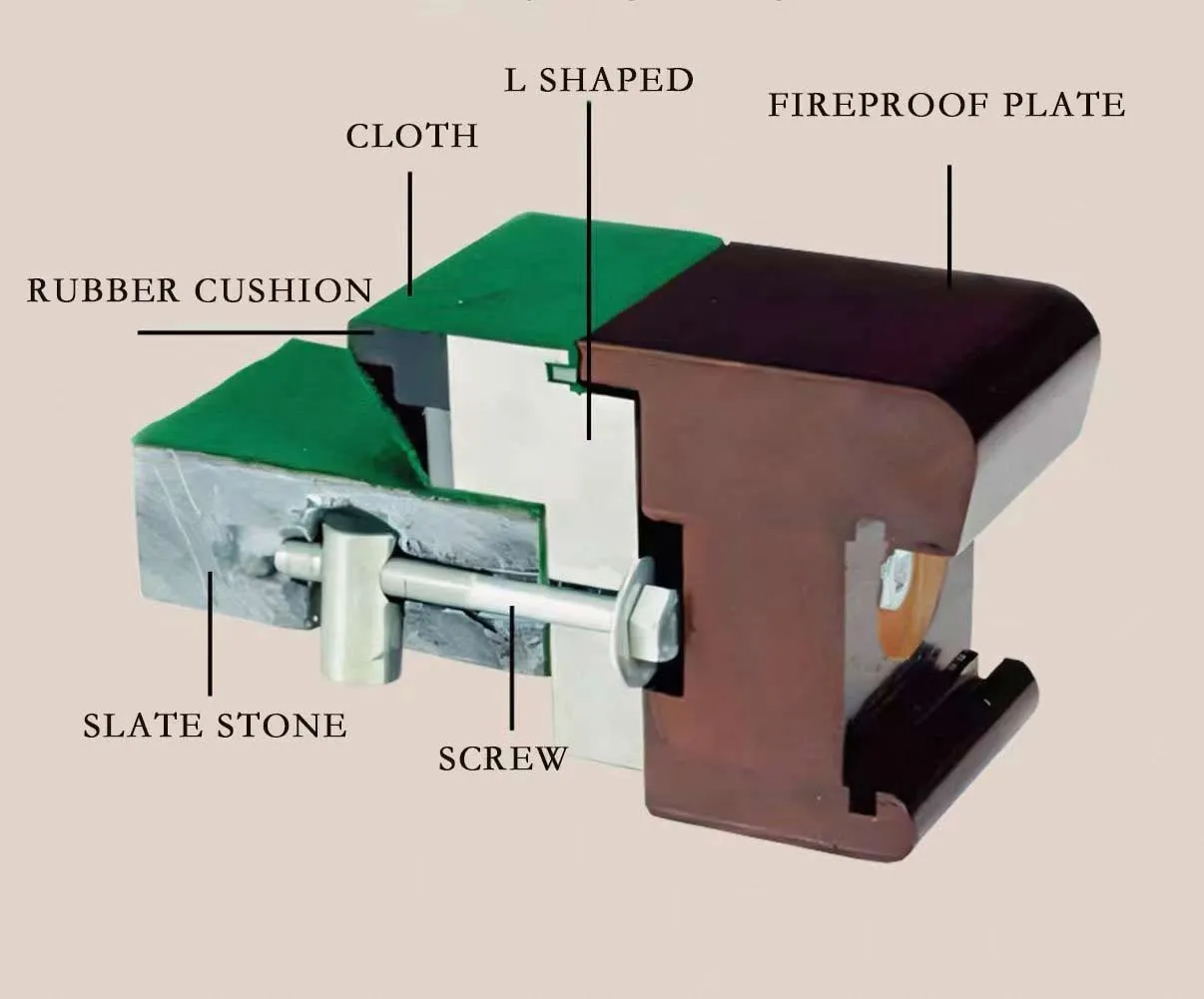
Beyond the rubber itself, the steel cushion profile also influences overall performance and installation.
The two most common designs are:
L-Style Steel Cushions
- Strong structural support
- Excellent stability
- Commonly used on premium commercial tables
I-Style Steel Cushions
- Different installation characteristics
- May suit specific manufacturing approaches
- Performance depends on overall engineering quality
Choosing between the two should be based on manufacturing quality rather than appearance alone.
Learn more in:
➡️ Snooker Table Steel Cushions: L-Style vs. I-Style – The Ultimate Performance Guide
5. Should You Choose a Heated Snooker Table?
For professional clubs and competitive environments, heating is often considered a valuable upgrade.
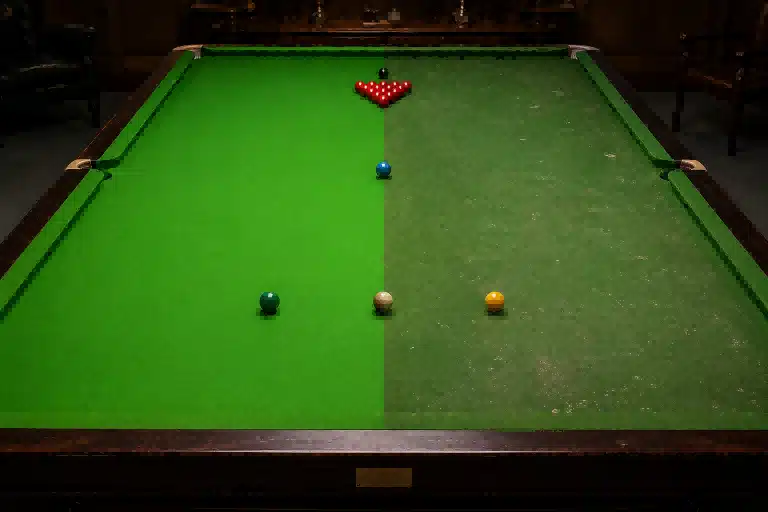
A heated under-slate system helps reduce moisture accumulation within the cloth and slate, creating more stable playing conditions.
Potential benefits include:
- More consistent table speed
- Reduced humidity effects
- Improved rolling characteristics
- Better playing conditions throughout the year
However, heating may not be necessary for every buyer.
Residential users or low-frequency recreational spaces may not require the additional investment.
For detailed guidance, read:
➡️ Do You Need a Heated Under-Slate System for Your Snooker Table?
6. Choosing the Right Heating System
Not all heating systems are designed the same way.
Commercial buyers should evaluate:
- Heating method
- Temperature control
- Energy efficiency
- Safety features
- Long-term operating costs
- Maintenance requirements
The right heating solution depends on climate, usage frequency, and operating budget.
For a complete comparison, visit:
➡️ Pro-Guide: Selecting the Right Billiard Table Heating System for Snooker
7. Ball Speed Depends on More Than Heating
Many buyers assume that heating alone determines playing speed.
In reality, consistent ball speed depends on multiple factors working together:
- Cloth condition
- Room humidity
- Slate quality
- Table leveling
- Cushion performance
- Heating consistency
Ignoring any one of these factors can affect overall gameplay.
For a detailed explanation, see:
➡️ How to Maintain Constant Speed on Your Snooker Table: Beyond Just Heating Systems
8. Selecting the Right Snooker Cloth
The cloth directly influences speed, control, and shot accuracy.
Professional snooker cloth differs significantly from standard pool table cloth in terms of:
- Material composition
- Nap direction
- Weave structure
- Surface friction
- Playing characteristics
Choosing the correct cloth depends on your intended use, customer expectations, and maintenance capabilities.
For a full comparison, read:
9. Proper Maintenance Protects Your Investment
Even the highest-quality snooker table requires regular maintenance to preserve playing performance.
Best practices include:
- Brushing the cloth correctly
- Using a dedicated iron when appropriate
- Keeping the playing surface clean
- Maintaining stable room conditions
- Periodically checking table level
Routine care can significantly extend cloth life and improve player satisfaction.
For professional maintenance procedures, refer to:
10. Customization Options for Commercial Buyers
For distributors, clubs, and project contractors, customization can provide both branding opportunities and competitive advantages.
Common customization options include:
- Cloth colors
- Cabinet finishes
- Logo integration
- Heating configurations
- Accessory packages
- Table specifications
- Packaging solutions
11. Looking Beyond the Table: Building a Complete Snooker Environment
Purchasing a snooker table is often only part of a larger project.
Many commercial buyers also require:
- Spectator seating
- Cue racks and storage
- Lighting systems
- Carpets
- LED decorative lighting
- Maintenance accessories
- Complete room planning
12. Why Factory-Direct Purchasing Makes Sense
Buying directly from a manufacturer offers several advantages, especially for bulk orders and commercial projects.
Benefits may include:
- Competitive factory pricing
- Flexible customization
- Better production control
- Consistent product quality
- Easier communication during development
- Streamlined export and logistics support
Final Thoughts
A professional snooker table is defined by much more than its appearance. The quality of the slate, cushion system, cloth, heating technology, and manufacturing process all contribute to the final playing experience.
Before making a purchasing decision, evaluate suppliers based not only on price but also on engineering quality, customization capabilities, after-sales support, and experience serving commercial projects.
By understanding these key factors, buyers can make informed decisions that deliver lasting value and reliable performance for years to come.
Frequently Asked Questions
What is the standard size of a professional snooker table?
Professional tournament tables are typically 12 feet in size, although some manufacturers may offer customized dimensions for specific projects.
Is a heated under-slate system necessary?
Not always. It is most beneficial for professional clubs, academies, and venues where consistent playing conditions are important.
What should I look for when evaluating cushion quality?
Consider rebound consistency, material quality, elasticity, and long-term durability rather than appearance alone.
Does thicker slate always mean better performance?
Not necessarily. Flatness, machining precision, and installation quality are equally important.
How often should snooker cloth be replaced?
Replacement intervals depend on usage intensity and maintenance practices. Commercial clubs generally replace cloth more frequently than residential users.
Can I customize the appearance of my snooker table?
Yes. Many manufacturers offer options such as cloth colors, cabinet finishes, logos, and accessory configurations.
Is factory-direct purchasing suitable for distributors?
Yes. Factory-direct sourcing can provide better pricing, greater customization flexibility, and more efficient communication for wholesale and project orders.