Buying a professional snooker table is a significant investment, especially for billiard clubs, distributors, hotels, and commercial entertainment venues.
Price alone should never be the deciding factor. The quality of the slate, cushion system, heating technology, cloth, structural design, and manufacturer support all influence long-term performance and operating costs.
This guide explains the key factors every buyer should evaluate before choosing a professional snooker table.
1. Know about the snooker table
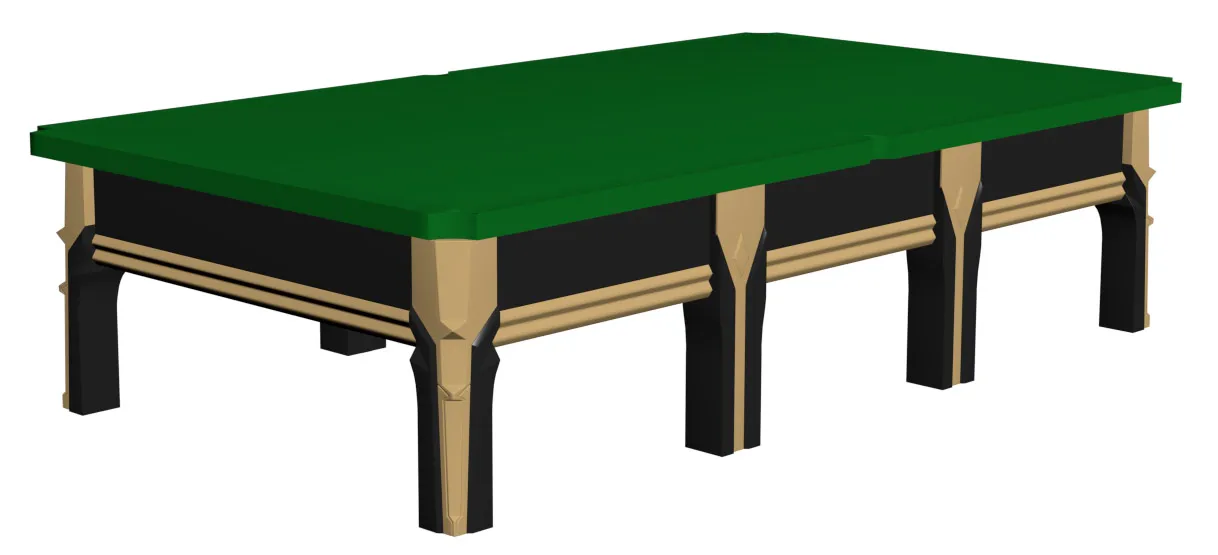
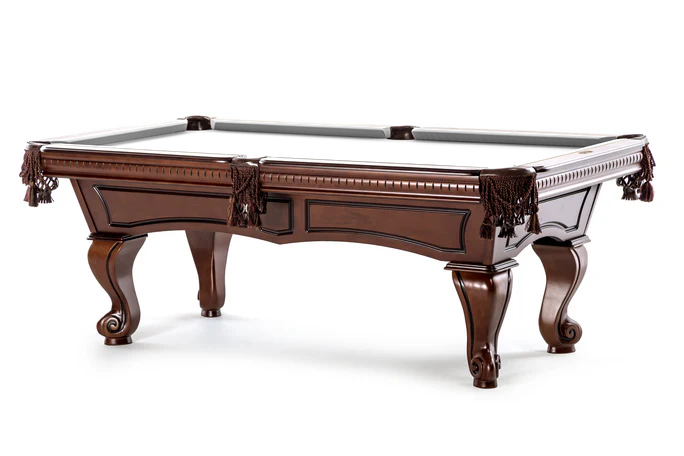
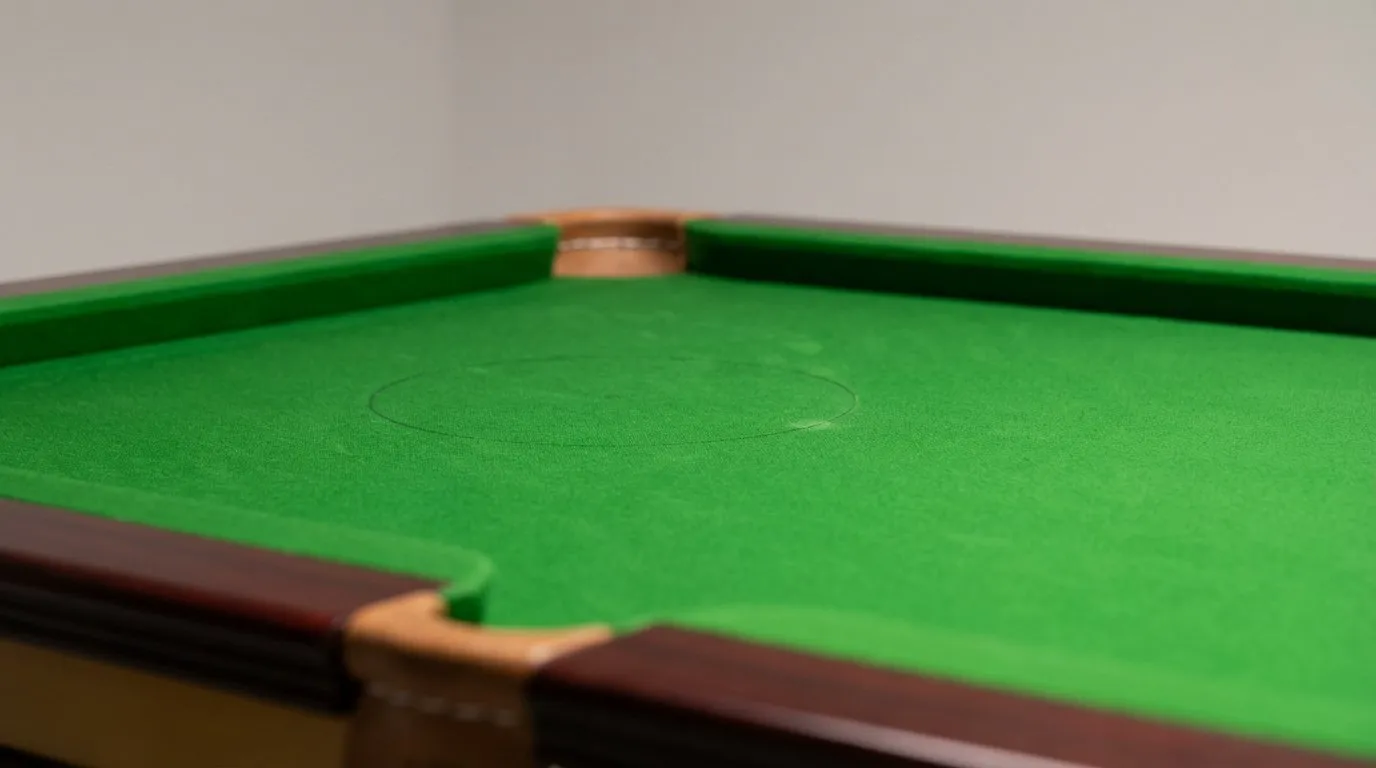
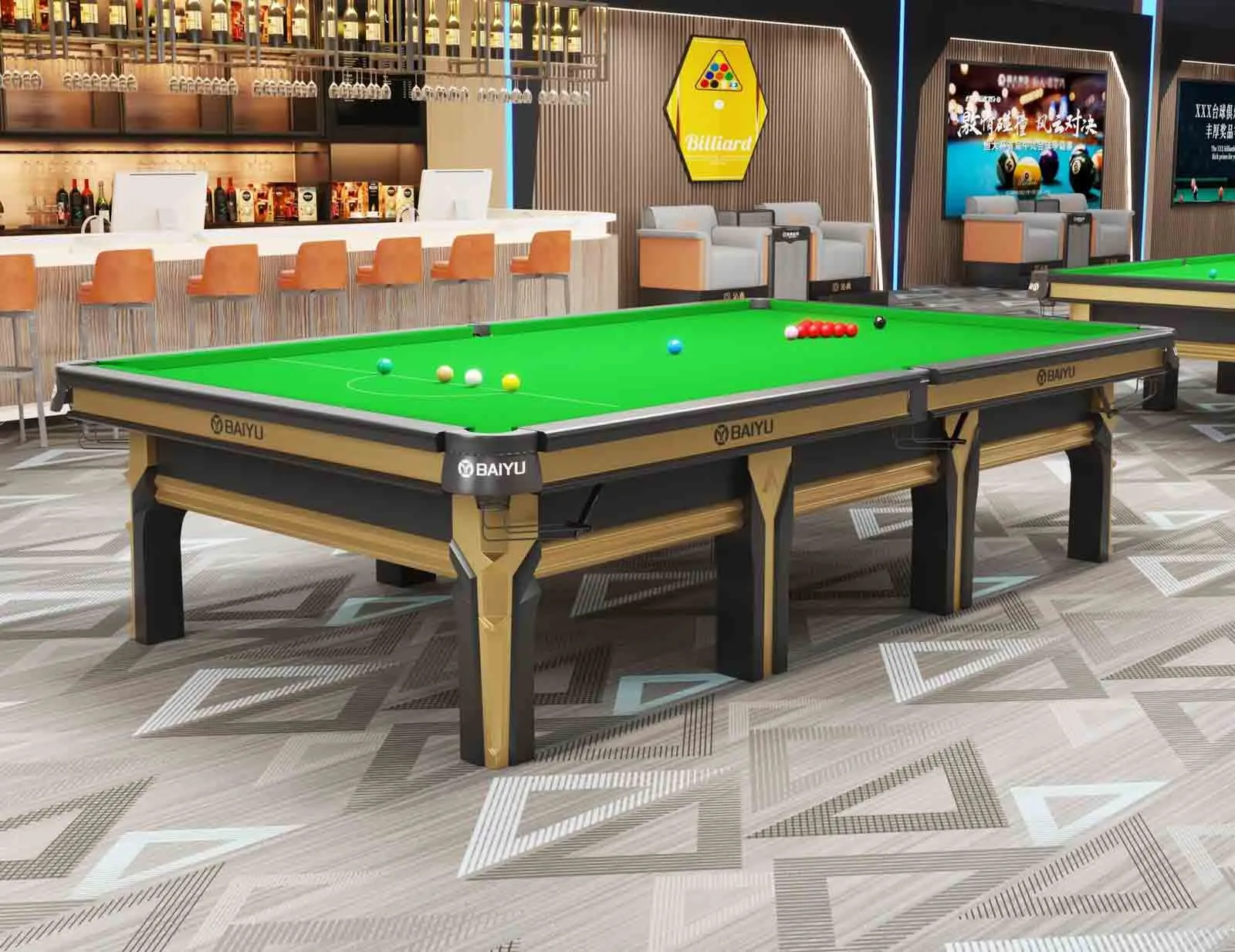
A professional snooker table is designed to provide consistent ball roll, precise rebound, structural stability, and long service life. It is the result of multiple engineering elements working together rather than a single premium material.
The key components typically include:
- Natural slate playing bed
- Professional snooker cloth
- Cushion rubber system
- Steel cushion profiles
- Hardwood cabinet and frame
- Strong support structure
- Heating system (optional or standard depending on application)
- Precision leveling mechanism
For a complete breakdown of every structural element, read our guide:
➡️ What Are the Components of a Snooker Table? A Professional Guide
2. Evaluate Slate Quality
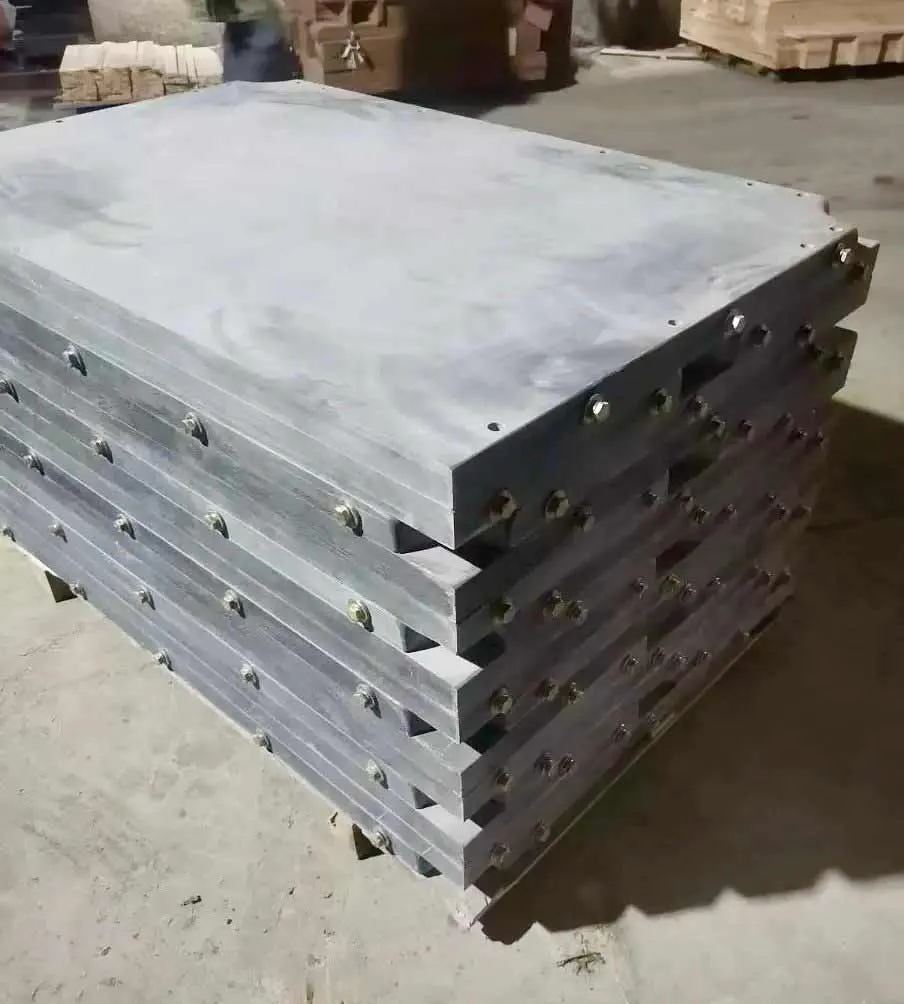
The slate bed is the most critical factor affecting table performance and lifespan
For commercial buyers, the key is not simply “having slate”, but understanding quality differences
Key purchasing parameters:
Thickness (45mm / 50mm depending on application)
Material origin and density (varies by region and affects stability)
Surface flatness tolerance (directly impacts playing accuracy)
Precision of multi-piece assembly (no height differences at joints)
For commercial projects:
High-density + precision machining + long-term stability matter more than thickness alone
3. Compare Cushion Systems
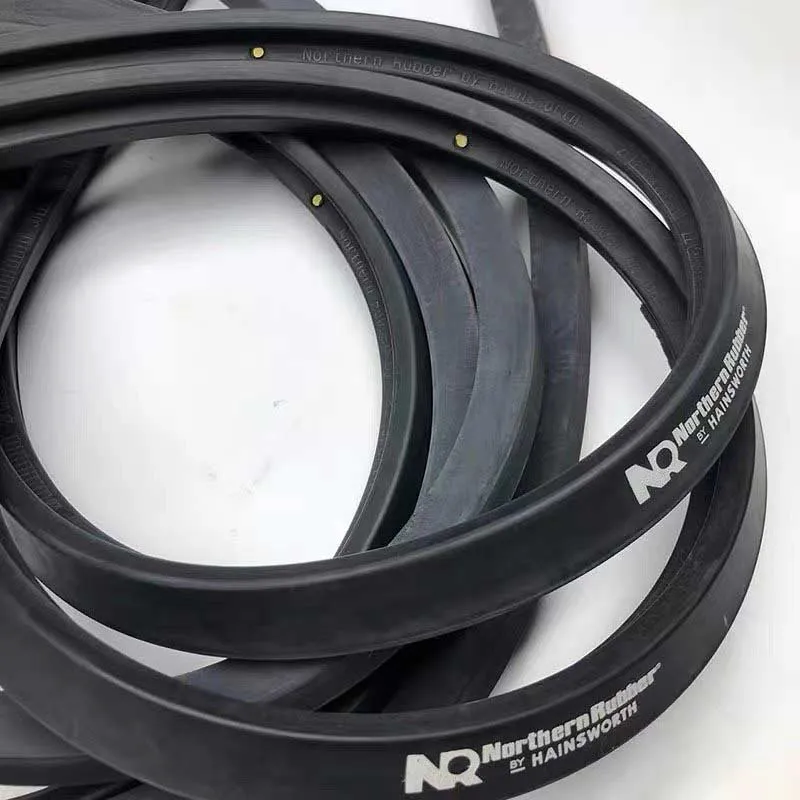
- Cushion rubber directly determines the playing experience and customer satisfaction
- In commercial operations, cushion quality affects customer retention and complaint rates
Key evaluation points:
- Consistency of rebound across the table surface
- Long-term elasticity retention (resistance to hardening)
- Resistance to temperature and humidity changes
- Expected service life and replacement cycle
- Value of high-quality cushions:
👉 Lower maintenance cost + better player experience + fewer operational issues
For a deeper explanation, see:
➡️ Snooker Cushion Rubber Quality Guide: How to Identify Good Cushion Performance
4. Decide L-Style OR I-Style Steel Cushions
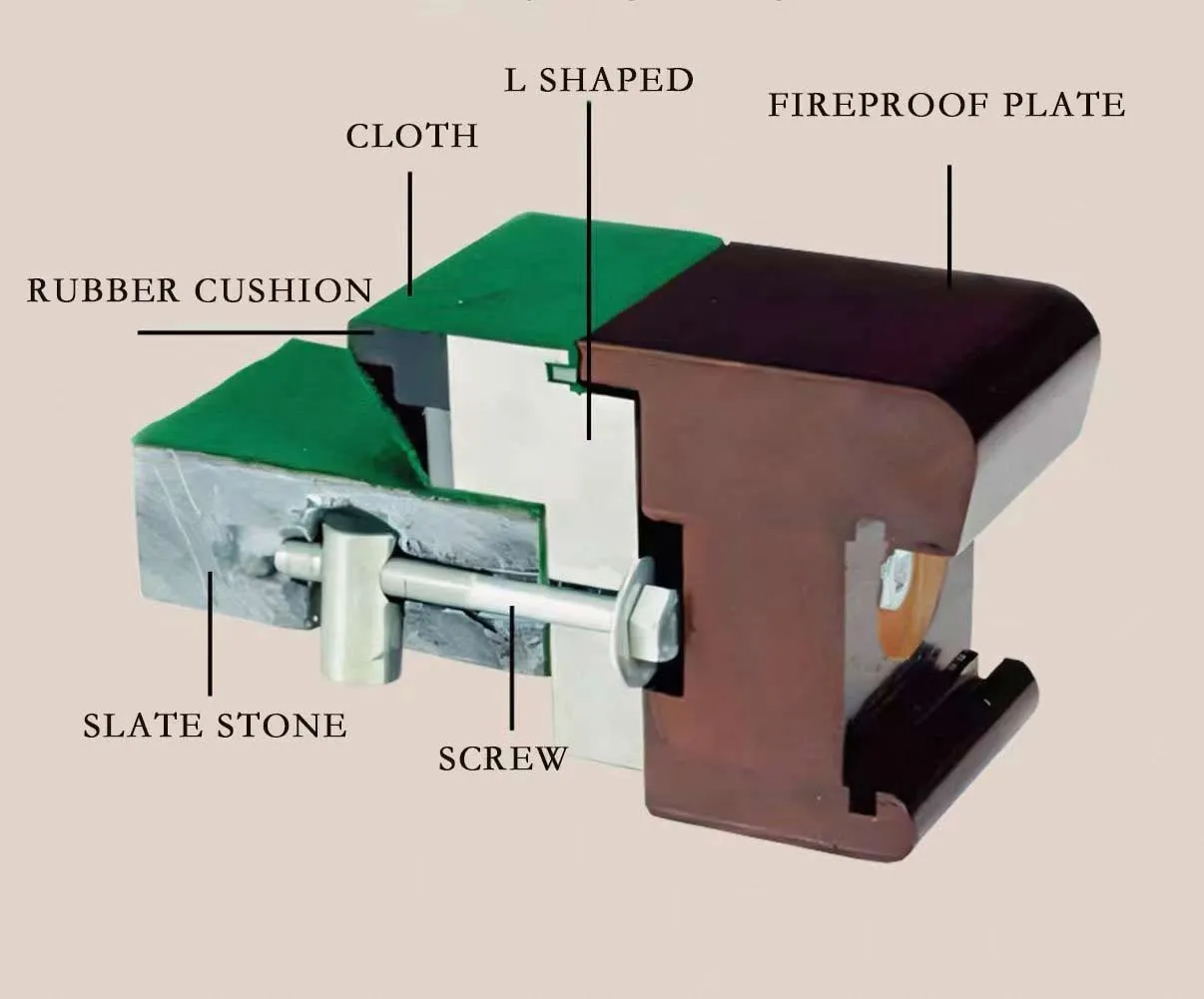
Beyond the rubber itself, the steel cushion profile also influences overall performance and installation.
The two most common designs are:
L-Style:
- More stable structure
- Widely used in premium commercial tables
- Stronger resistance to deformation
I-Style:
Different structural design
Suitable for certain manufacturing or cost-optimized configurations
Learn more in:
➡️ Snooker Table Steel Cushions: L-Style vs. I-Style – The Ultimate Performance Guide
5. Decide Whether You Need Heating
A heating system is a climate stability solution, not a basic requirement
The decision depends on your business model, not the product itself
Recommended for:
- Professional clubs with high usage frequency
- Tournament-level venues
- High-end commercial entertainment spaces
May not be necessary for:
Low-frequency recreational environments
Residential use
For detailed guidance, read:
➡️ Do You Need a Heated Under-Slate System for Your Snooker Table?
6. Choosing the Right Heating System
Not all heating systems are designed the same way.
Commercial buyers should evaluate:
- Heating method
- Temperature control
- Energy efficiency
- Safety features
- Long-term operating costs
- Maintenance requirements
The right heating solution depends on climate, usage frequency, and operating budget.
For a complete comparison, visit:
➡️ Pro-Guide: Selecting the Right Billiard Table Heating System for Snooker
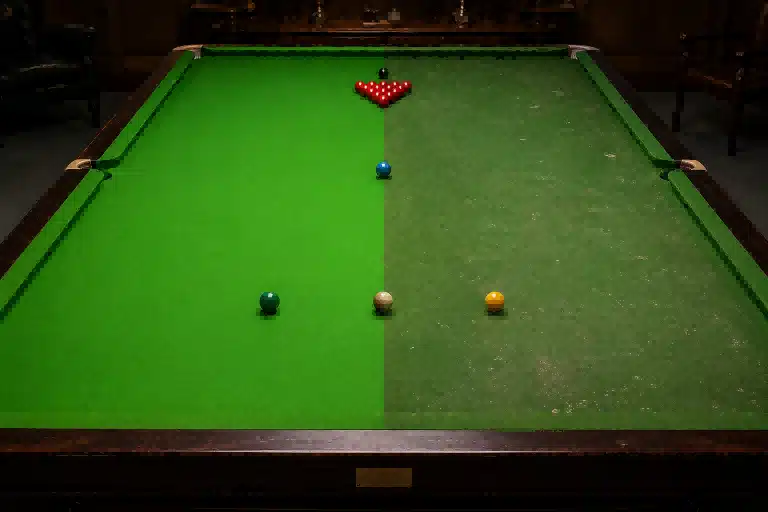
7. Selecting the Right Snooker Cloth
The cloth directly influences speed, control, and shot accuracy.
Professional snooker cloth differs significantly from standard pool table cloth in terms of:
- Material composition
- Nap direction
- Weave structure
- Surface friction
- Playing characteristics
Choosing the correct cloth depends on your intended use, customer expectations, and maintenance capabilities.
For a full comparison, read:
8. Consider Maintenance Requirements
Even the highest-quality snooker table requires regular maintenance to preserve playing performance.
Best practices include:
- Brushing the cloth correctly
- Using a dedicated iron when appropriate
- Keeping the playing surface clean
- Maintaining stable room conditions
- Periodically checking table level
Routine care can significantly extend cloth life and improve player satisfaction.
For professional maintenance procedures, refer to:
➡️ How to Maintain Constant Speed on Your Snooker Table: Beyond Just Heating Systems
9.Questions to Ask Before Buying a Snooker Table
Before placing an order, ask your supplier:
- What type of slate do you use?
- What is the slate thickness?
- Is the table equipped with a heating system?
- What cushion rubber brand do you use?
- Can the cloth color be customized?
- Do you provide installation guidance?
- Are spare parts available?
- What accessories are included?
- Do you support OEM or private labeling?
10.Professional Snooker Table Buyer’s Check list
Before confirming your order, make sure you have verified:
✓ Slate material and thickness
✓ Cushion rubber quality
✓ Steel cushion construction
✓ Heating system specifications
✓ Cloth type
✓ Frame structure
✓ Customization options
✓ Accessories included
✓ Warranty and after-sales support
✓ Installation requirements
11.Frequently Asked Questions
What is the standard size of a professional snooker table?
Professional tournament tables are typically 12 feet in size, although some manufacturers may offer customized dimensions for specific projects.
Is a heated under-slate system necessary?
Not always. It is most beneficial for professional clubs, academies, and venues where consistent playing conditions are important.
What should I look for when evaluating cushion quality?
Consider rebound consistency, material quality, elasticity, and long-term durability rather than appearance alone.
Does thicker slate always mean better performance?
Not necessarily. Flatness, machining precision, and installation quality are equally important.
How often should snooker cloth be replaced?
Replacement intervals depend on usage intensity and maintenance practices. Commercial clubs generally replace cloth more frequently than residential users.
Can I customize the appearance of my snooker table?
Yes. Many manufacturers offer options such as cloth colors, cabinet finishes, logos, and accessory configurations.
Is factory-direct purchasing suitable for distributors?
Yes. Factory-direct sourcing can provide better pricing, greater customization flexibility, and more efficient communication for wholesale and project orders.
Want professional one-on-one purchasing advice? Browse our website or Contact us.