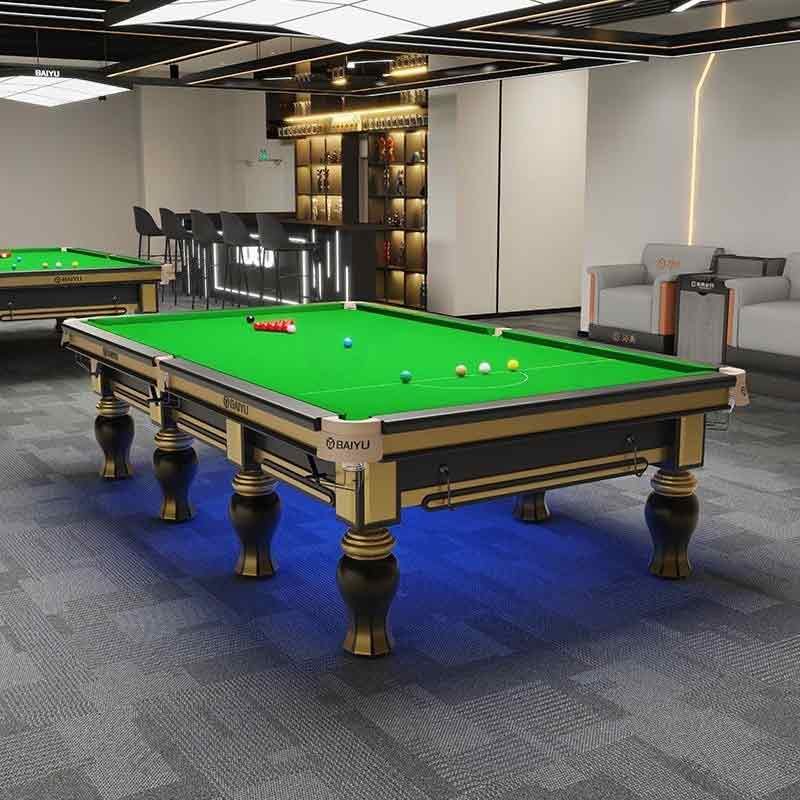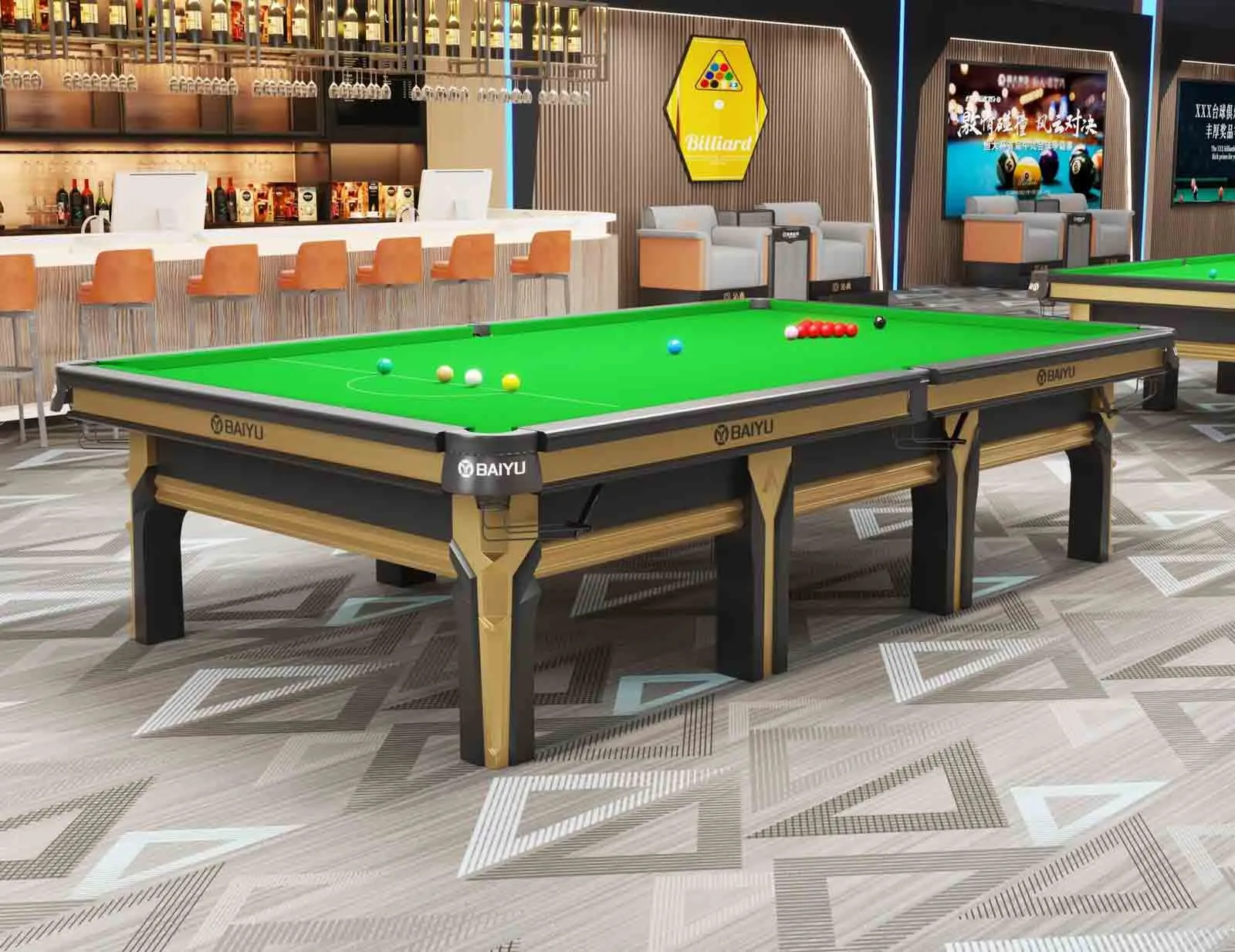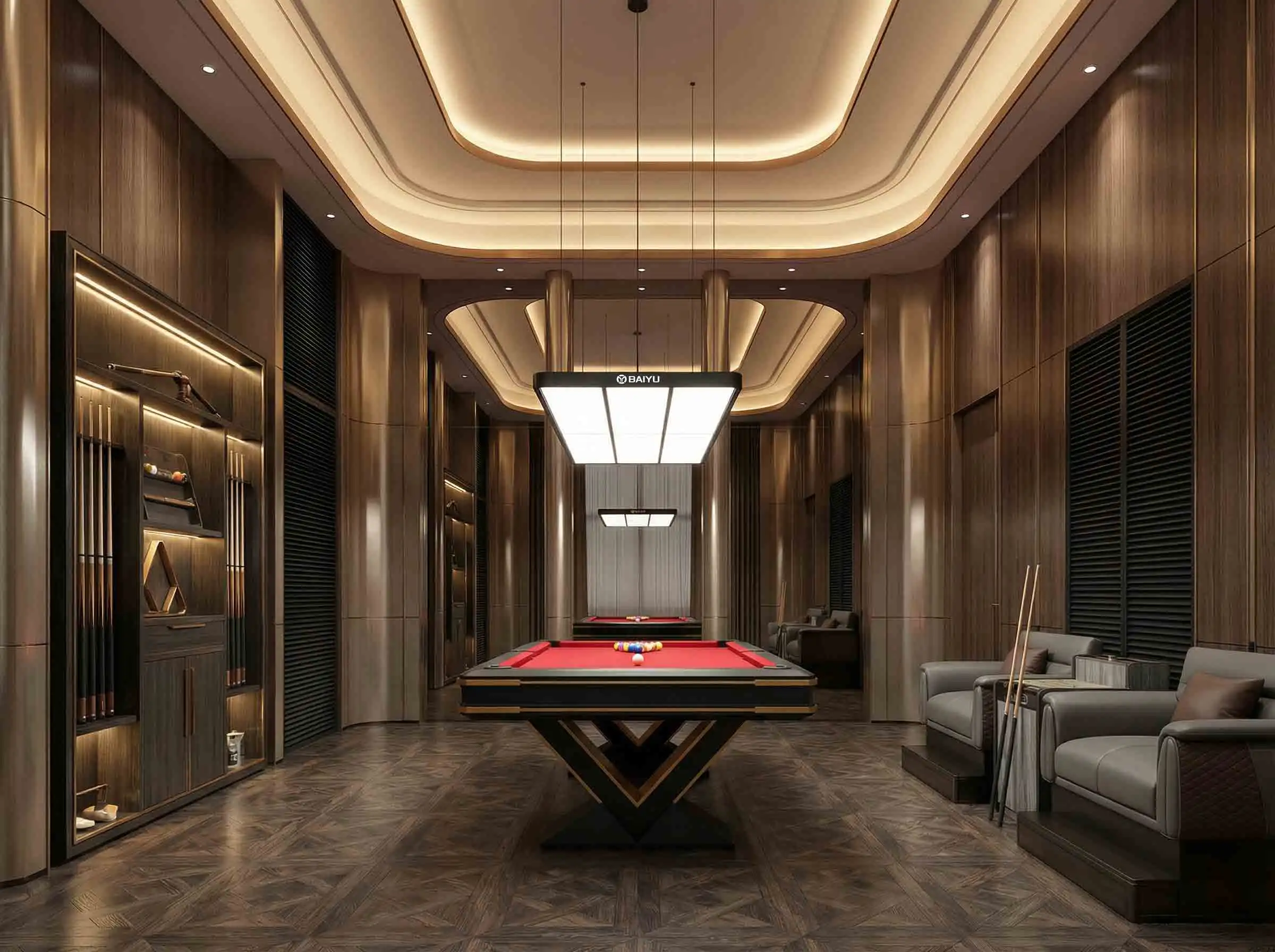
Key takeaway: Before importing a 12-foot snooker table into Australia in 2026, buyers should verify four things first: slate specification, packaging and wood-packaging compliance, customs document consistency, and unloading/installation access. Price matters, but project delays are more often caused by packaging, biosecurity, clearance, or site-access problems than by production alone.
For Australian billiard room owners, buying a commercial snooker table is not only about choosing a supplier or comparing prices. A 12-foot snooker table is a large, heavy, installation-sensitive product that may involve natural slate, wooden packaging, international freight, customs documentation, unloading coordination, and on-site levelling.
Baiyu Billiards is located in Shunde District, Foshan, Guangdong, China. According to supplier-stated information, Baiyu has served more than 150 billiard rooms across Australia, Malaysia, and the Middle East. For Australian buyers, production is only the first step. Whether the project opens smoothly often depends on what happens after the table leaves the factory.
This 2026 checklist focuses on the practical issues buyers should confirm before placing an order.
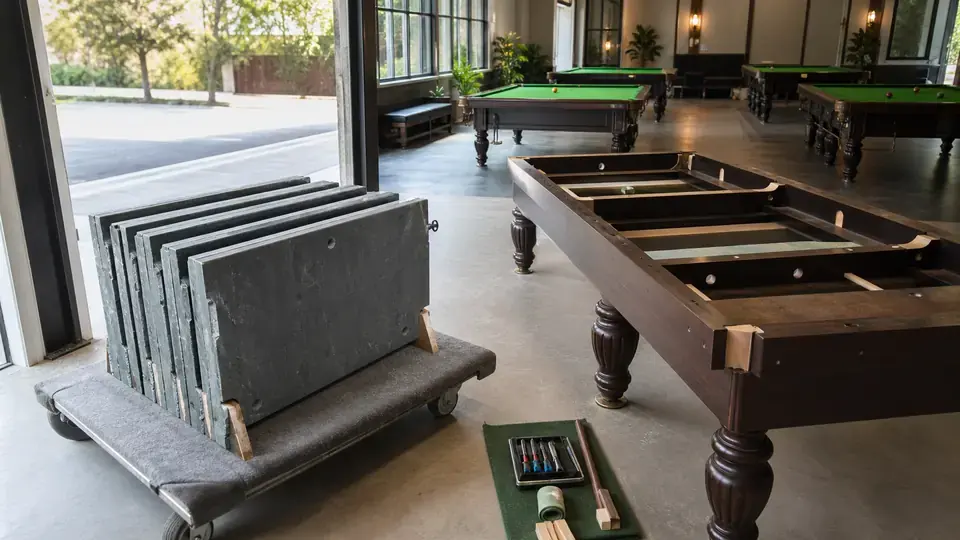
What Should Australian Buyers Check Before Ordering a 12-Foot Snooker Table?
Australian buyers should usually confirm these items before placing an order:
- Slate thickness, structure, and flatness tolerance
- Packaging method and whether any wood packaging may need treatment or marking
- Consistency across invoice, packing list, and shipping documents
- Unloading access, lifting equipment, and installation conditions at the venue
For commercial projects, these checks are often more important than comparing unit price alone.
Check the Slate Structure Before Comparing Snooker Table Prices
A 12-foot snooker table may look similar across suppliers in photos, but the technical structure under the cloth can differ significantly.
According to supplier-stated Baiyu specifications, its 12-foot snooker table uses 45mm±1mm natural slate sourced from Jiujiang, Jiangxi or Jinping, Guizhou, with a stated slate density of ≥2.75g/cm³ and flatness tolerance of ≤0.1mm/㎡.
| Item | Baiyu 12-Foot Snooker Table Specification |
|---|---|
| Table size | 12-foot snooker table |
| Slate material | Natural slate from Jiujiang, Jiangxi or Jinping, Guizhou |
| Slate thickness | 45mm±1mm |
| Slate structure | 5-piece slate |
| Slate density | ≥2.75g/cm³ |
| Flatness tolerance | ≤0.1mm/㎡ |
| Cloth | Libaiwen, commercial grade, ≥450g/㎡ |
| Packing volume | Approx. 2.5m³ |
| EXW price range | US$1,920-US$3,800 |
For experienced buyers, the real question is not only “How thick is the slate?” but also:
- How is the slate divided?
- How is it protected during shipping?
- How will the slate joints be handled on site?
- How will final levelling be completed after delivery?
A 5-piece 45mm natural slate snooker table can be easier to move internationally and into the venue than a larger one-piece or fewer-piece structure, but installation quality still matters. For commercial use, thickness alone does not determine play quality. Buyers should also evaluate support points, joint treatment, frame stability, and final levelling.
Why Packaging Matters as Much as the Table Itself
For an export project, packaging is not a minor detail. It affects:
- damage risk during loading and unloading
- moisture exposure in transit
- customs inspection handling
- package count accuracy
- installation readiness after arrival
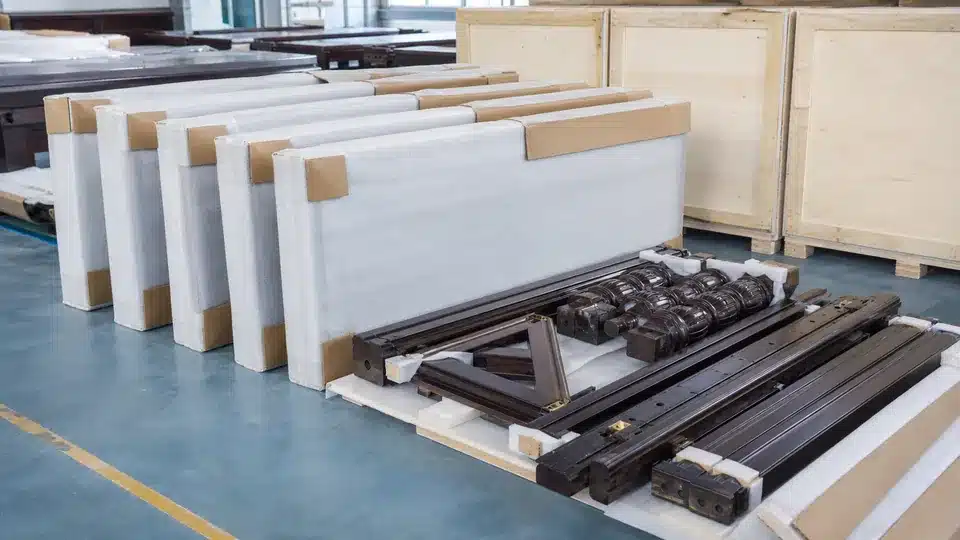
According to supplier-stated Baiyu export packaging information, standard packaging can include:
- Slate: 10mm EPE foam wrapping + hard paper corner protection
- Frame: disassembled and packed by component
- Outer packaging: reinforced wooden frame
- Small orders: can be consolidated with other goods to reduce shipping cost
This structure is designed to reduce shock and handling damage, especially for slate pieces and long frame components.
For Australian buyers, packaging should be reviewed not only for freight safety, but also for biosecurity and import compliance implications if solid wood packaging materials are used.
Wood Packaging for Australia Should Be Checked Against Current Import Conditions
Australia’s Department of Agriculture, Fisheries and Forestry (DAFF) states that imported timber, wooden articles, bamboo and related products must comply with the import conditions listed in BICON, Australia’s Biosecurity Import Conditions system. DAFF also notes that non-compliant goods may face delays, extra costs, re-export, or destruction.
Official source:
Importing timber, wooden articles, bamboo and related products – DAFF
This matters because some snooker table shipments may use:
- solid wood pallets
- wooden frames
- timber blocking
- other wood packaging materials
If those materials are used, the importer should confirm—before shipment—whether treatment, marking, declarations, or other evidence may be required under the import conditions applicable at that time.
In practice, buyers should not assume that every shipment will be handled the same way. The correct approach is to confirm the packaging plan against:
- the actual packaging materials used
- the current BICON conditions
- the advice of the importer’s customs broker or freight forwarder
If engineered wood products or non-solid-wood materials are used in some packaging components, treatment requirements may differ from those for solid wood packaging. That is why document review before dispatch is important.
Customs Document Consistency Should Be Checked Before Shipment
For a snooker table shipment to Australia, buyers should usually send the draft shipping documents to the customs broker or freight forwarder before the goods leave the factory.
Typical documents may include:
- Commercial Invoice
- Packing List
- Bill of Lading
- Wood packaging treatment or compliance documents, if applicable
- Country of origin information
- Product material description
- HS classification, to be confirmed by the importer’s customs broker based on the final product description, packaging, and declared materials
A common problem in cross-border shipments is not missing goods, but inconsistent wording.
For example:
- the invoice says snooker table
- the packing list says billiard table
- the bill of lading shows a different package count
- the product description does not clearly reflect the actual material composition
When the wording is inconsistent, clearance may be delayed while the importer or broker provides clarification.
For that reason, commercial buyers should check that the product name, quantity, package count, packaging description, and consignee details match across all documents before shipment.
Unloading and Venue Access Are Often the Real Project Risk
A 12-foot snooker table is not ordinary furniture. It is a heavy, multi-package installation product that may require equipment, labour coordination, and a suitable route into the venue.
According to supplier-stated Baiyu information, the packing volume for its 12-foot snooker table is approximately 2.5m³, and the product uses 45mm natural slate. Before shipment, buyers should confirm:
- Can the container or delivery truck reach the unloading area?
- Is a forklift or tail-lift truck required?
- Are the doorways, corridors, stair turns, and lifts large enough?
- Is the floor suitable for snooker table installation?
- Has a local installation team been booked in advance?
For commercial projects, production delays are often easier to solve than site-access problems.
According to supplier-stated Baiyu project information, in August 2024 the company delivered 8 units of 12-foot snooker tables and 4 units of 9-foot American pool tables to a billiard room in Melbourne. Baiyu states that the order value was EXW US$25,000, and the sea-freight transit time to Melbourne Port was about 25 days. This should be treated as a project example, not a guaranteed transit benchmark, because freight timing can vary by route, carrier, season, customs processing, and inland handling.
The practical lesson is simple: for this kind of order, the biggest risk is often not factory production, but unloading, handling, and installation scheduling after arrival.
Write These 10 Specifications Into the Purchase Contract
To reduce misunderstandings, Australian buyers should list the technical and commercial terms clearly in the purchase contract or order confirmation.
Recommended checklist:
- 12-foot snooker table size
- 45mm±1mm natural slate
- 5-piece slate structure
- Slate density ≥2.75g/cm³
- Flatness tolerance ≤0.1mm/㎡
- Cloth brand and weight: Libaiwen, ≥450g/㎡
- Packing volume: approx. 2.5m³
- Packaging method: EPE foam, corner protection, corrugated carton, and wooden-frame reinforcement
- Trade terms: Baiyu supports EXW or DDP, according to supplier-stated information
- Warranty terms: 2 years for frame and 2 years for slate, excluding human-caused damage
According to supplier-stated Baiyu pricing, the EXW reference range for a 12-foot snooker table is US$1,920-US$3800.
As a supplier-side market reference, Baiyu also indicates that commercial-grade 12-foot snooker table quotations are usually above EXW US$1,800. Buyers should treat that figure as a practical supplier reference, not a universal market benchmark, because actual pricing can vary based on:
- slate grade
- frame wood
- cloth specification
- packaging method
- order quantity
- destination
- trade terms
- installation scope
If a quotation is far below the expected commercial range, buyers should review the slate specification, frame materials, cloth, packaging standard, and after-sales terms carefully before deciding.
After-Sales Terms Matter in Cross-Border Projects
For export orders, after-sales support is not only about warranty wording. It also affects how quickly the venue can respond if there is missing hardware, installation confusion, transport damage, or part replacement needs.
According to supplier-stated Baiyu after-sales information, the policy includes:
- Frame warranty: 2 years
- Slate warranty: 2 years, excluding human-caused damage
- Consumable parts: pockets, and foot pads can be replaced once for free; buyer pays freight
- Technical support: WhatsApp/WeChat response within 12 hours
- Spare parts supply: replacement parts available for 5 years
- Claim period: quality issues must be reported within 30 days after port arrival
For cross-border buyers, spare-parts support can matter as much as the table itself.
According to supplier-stated Baiyu experience, the company once air-shipped missing accessories to a Malaysian customer. The broader lesson is that response speed and parts availability are important for billiard-room operations, especially when the venue opening schedule is tight.
Important Compliance Note
This article is a practical procurement checklist, not legal or customs advice. For Australian imports, packaging treatment requirements, classification, and import conditions should be confirmed against BICON and with the importer’s customs broker or freight forwarder before shipment.
Official reference:
DAFF – Importing timber, wooden articles, bamboo and related products
FAQ
What should buyers check before importing a snooker table into Australia?
Buyers should usually verify slate specification, packaging method, wood-packaging compliance, customs document consistency, and unloading/installation access. For commercial projects, delays are often caused by packaging, biosecurity, clearance, or site conditions rather than production alone.
Is 45mm slate enough for a commercial snooker table in Australia?
Usually yes for commercial use. According to Baiyu’s supplier-stated specification, its 12-foot snooker table uses 45mm±1mm natural slate, with stated density of ≥2.75g/cm³ and flatness tolerance of ≤0.1mm/㎡. Buyers should still evaluate not only thickness, but also slate structure, support points, joint treatment, and final levelling quality.
Will a 5-piece slate structure affect table flatness?
Not if the table is installed properly. A 5-piece slate structure can be practical for international shipping and on-site handling, but the final result depends on correct support, precise slate-joint treatment, and professional levelling during installation.
Does a snooker table exported to Australia always need wood-packaging treatment?
Not automatically in every case. The answer depends on the actual packaging materials used and the applicable import conditions at the time of shipment. If solid wood pallets, wooden frames, or timber blocking are used, the importer should confirm the current requirements with BICON and the customs broker before dispatch.
What documents are usually checked before shipment to Australia?
The buyer or broker should usually review the Commercial Invoice, Packing List, Bill of Lading, packaging-related compliance documents if applicable, country of origin information, product material description, and HS classification before shipment. The main goal is to make sure the wording is consistent across all documents.
Can small snooker table orders be consolidated with other cargo?
Yes, in many cases. According to supplier-stated Baiyu information, small orders can be consolidated to reduce shipping cost. However, consolidation can introduce more handling steps, so buyers should check slate protection, package count, and shipping-document consistency more carefully.
Final Thoughts
For Australian buyers, a 12-foot snooker table should not be evaluated by price alone.
The better buying question is:
- Is the slate specification suitable for commercial use?
- Is the packaging appropriate for export handling?
- Are any wood-packaging compliance issues checked before dispatch?
- Are the customs documents consistent?
- Can the table actually be unloaded, moved, and installed smoothly after arrival?
For commercial billiard-room projects, those answers usually matter more than a low quotation on paper.
If the goal is a smooth opening, the safest approach is to confirm the table specification, packaging, compliance path, and installation conditions before the order leaves the factory.