Key Takeaways
What is cushion rubber?
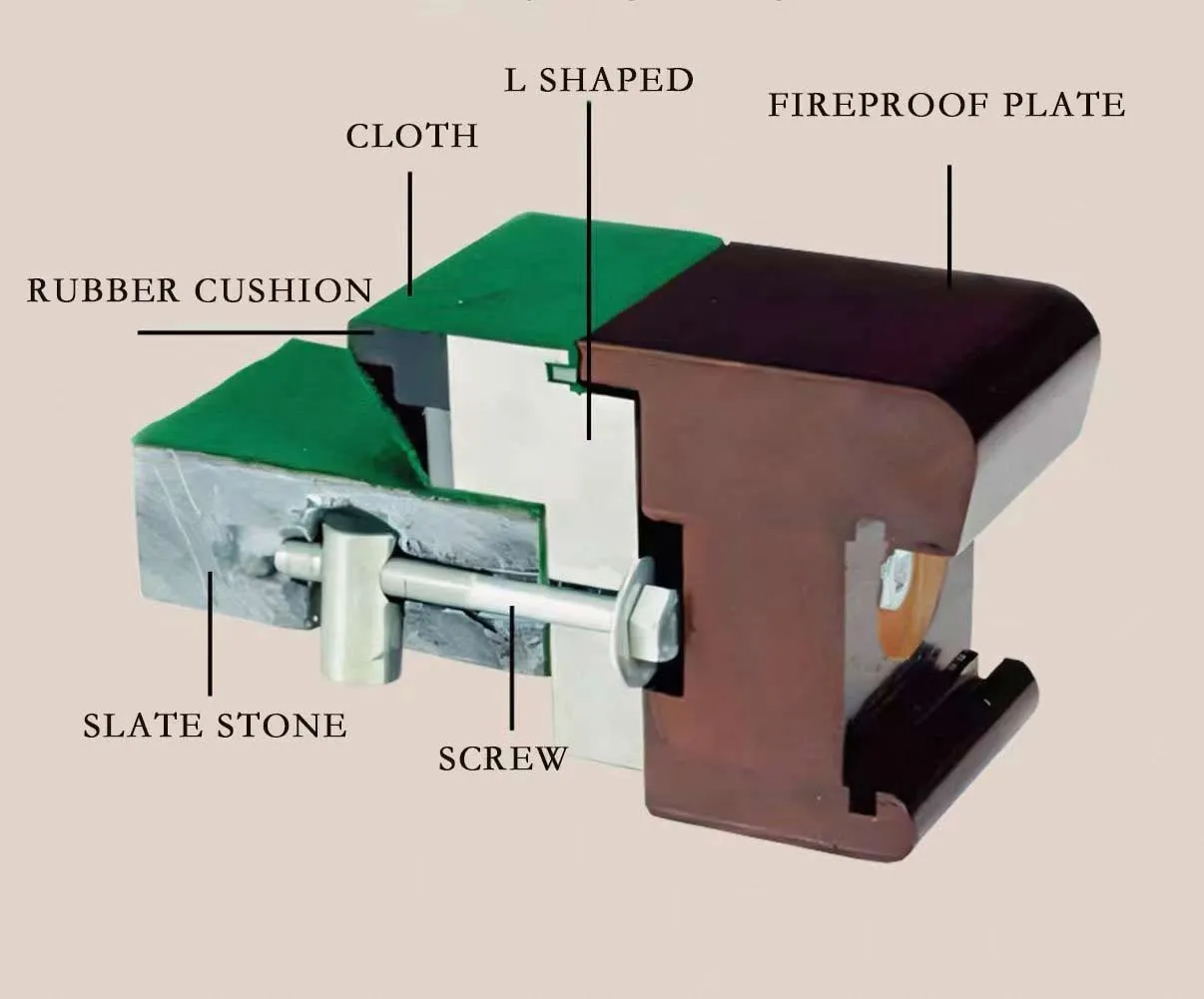
Cushion rubber is the elastic component installed inside the rails of a snooker table. It plays a major role in rebound consistency, speed control, and angle accuracy.【1】
What matters most?
High-quality cushion performance depends on:
- Rubber formulation and material quality
- Consistent hardness and elasticity
- Accurate installation geometry
- Stable performance under different temperature and humidity conditions
Quick checks:
- Observe rebound consistency
- Feel the cushion response
- Inspect installation quality
- Check for aging signs
1. Quick Identification: A Simple Three-Step Method
Even without technical knowledge, you can identify major differences between high-quality and poor-quality snooker cushions.
Step 1: Rebound Consistency Test
Roll or strike a ball toward the cushion at a moderate speed.
A quality cushion should:
- Return the ball smoothly
- Maintain a predictable rebound angle
- Produce similar results across different rail positions
Warning signs include:
- Weak rebound response
- Noticeable dead spots
- Different reactions at different locations
In commercial environments, inconsistent rebound often indicates aging rubber or poor installation.
Step 2: Listen to the Response
Sound alone does not determine quality, but it can provide useful clues.
Well-installed cushions typically create a clean and solid impact sound.
Possible warning signs:
- Hollow sound
- Excessive vibration
- Uneven response along rails
These issues may result from:
- Poor bonding between rubber and rail structure
- Internal gaps
- Material deterioration
Step 3: Check Surface Feel and Elastic Response
When gently pressing the cushion:
High-quality rubber typically feels:
- Firm but elastic
- Consistent along the full rail length
- Resistant to excessive hardening or softening
Low-quality or aged cushions may feel:
- Extremely hard
- Brittle
- Uneven in response
2. What Actually Determines Cushion Quality?
Professional table performance depends on several underlying factors.
Material Composition: Natural Rubber vs Synthetic Rubber
Natural Rubber
Advantages:
- Better dynamic elasticity
- More stable rebound characteristics
- Better fatigue resistance
- Longer performance consistency
Common applications:
- Tournament tables
- Premium commercial tables
- High-end residential installations
Synthetic Rubber
Advantages:
- Lower cost
- Easier mass production
Limitations:
- Greater sensitivity to environmental changes
- Faster performance degradation in some conditions
Many manufacturers use blended formulas to balance cost and performance.
Performance Comparison
| Performance Factor | Professional Grade | Standard Club Grade | Low Quality / Aged |
|---|---|---|---|
| Rebound consistency | Excellent | Moderate | Poor |
| Elastic recovery | High | Medium | Low |
| Temperature stability | High | Moderate | Low |
| Expected commercial lifespan | 5–8 years | 3–5 years | Under 2 years |
Actual lifespan depends heavily on:
- Daily usage volume
- Room humidity
- Installation quality
- Maintenance practices
3. Installation Geometry: Why Good Rubber Alone Is Not Enough
Even premium cushion material can perform poorly if installed incorrectly.
Cushion Nose Height
Standard snooker balls have a diameter of approximately 52.5 mm.
The cushion contact point must be carefully positioned relative to the ball center.
Improper installation can cause:
Too high:
- Ball drives downward after impact
- Reduced control accuracy
Too low:
- Ball lifts or jumps
- Unpredictable rebound behavior
This is one reason why two tables using similar materials can perform very differently.
4. How to Spot Refurbished or Low-Quality Cushions
Professional buyers and club operators often inspect the following areas:
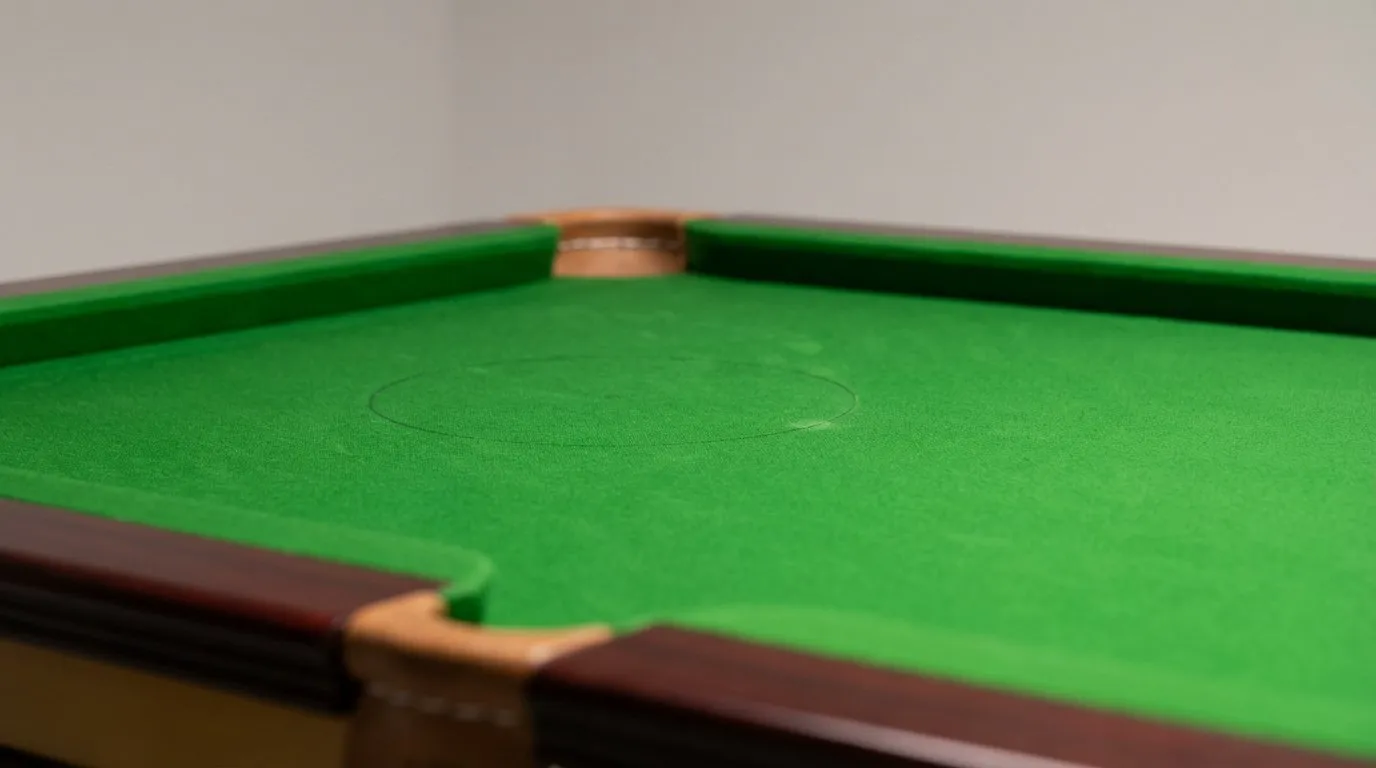
Rail Corner Cutting Quality
Poor cutting or fitting around pocket openings may create:
- Inconsistent rail response
- Unnatural ball paths near pockets
- Reduced shot accuracy
Fabric Installation Quality
The cloth covering the rails should:
- Remain evenly tensioned
- Have no wrinkles
- Show no loose areas
Uneven cloth installation may affect perceived cushion performance.
FAQ
How often should snooker cushion rubber be replaced?
For commercial clubs with frequent use, premium cushions commonly maintain good performance for approximately 5–8 years.
Replacement may be necessary if:
- Rebound noticeably weakens
- Dead spots appear
- Cushion hardness changes significantly
Why do tournament tables use heating systems?
Table heating systems are primarily used to reduce moisture and maintain stable cloth conditions.
Benefits include:
- More consistent ball speed
- Reduced humidity effects
- More stable playing conditions
They may also indirectly help maintain more stable cushion behavior.
How can buyers evaluate cushion quality when sourcing tables?
When purchasing from a manufacturer, ask:
- What rubber formulation is used?
- Is natural rubber included?
- What is the expected commercial lifespan?
- Are rebound tests performed?
- Are installation tolerances controlled?
For B2B buyers, long-term consistency is often more important than simply choosing the lowest price.
Final Thoughts
Cushion rubber is one of the most overlooked components of a snooker table, but it directly affects player experience and long-term table value.
A table can have premium slate, attractive design, and quality cloth, but poor cushion performance can still negatively affect gameplay.
For clubs, distributors, and commercial buyers, evaluating cushion quality early can reduce maintenance costs and improve customer satisfaction over time.
Reference