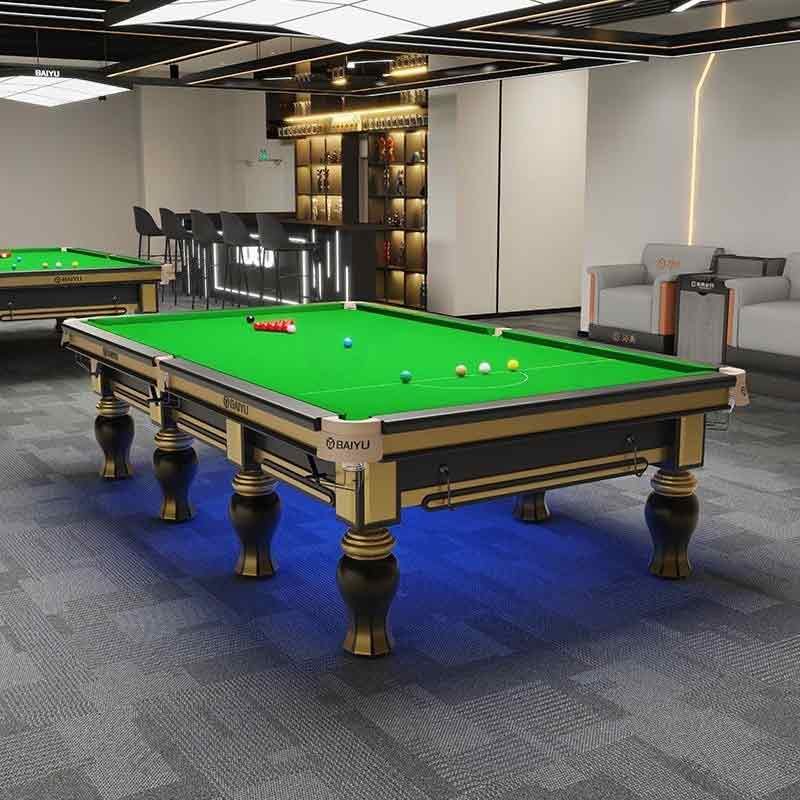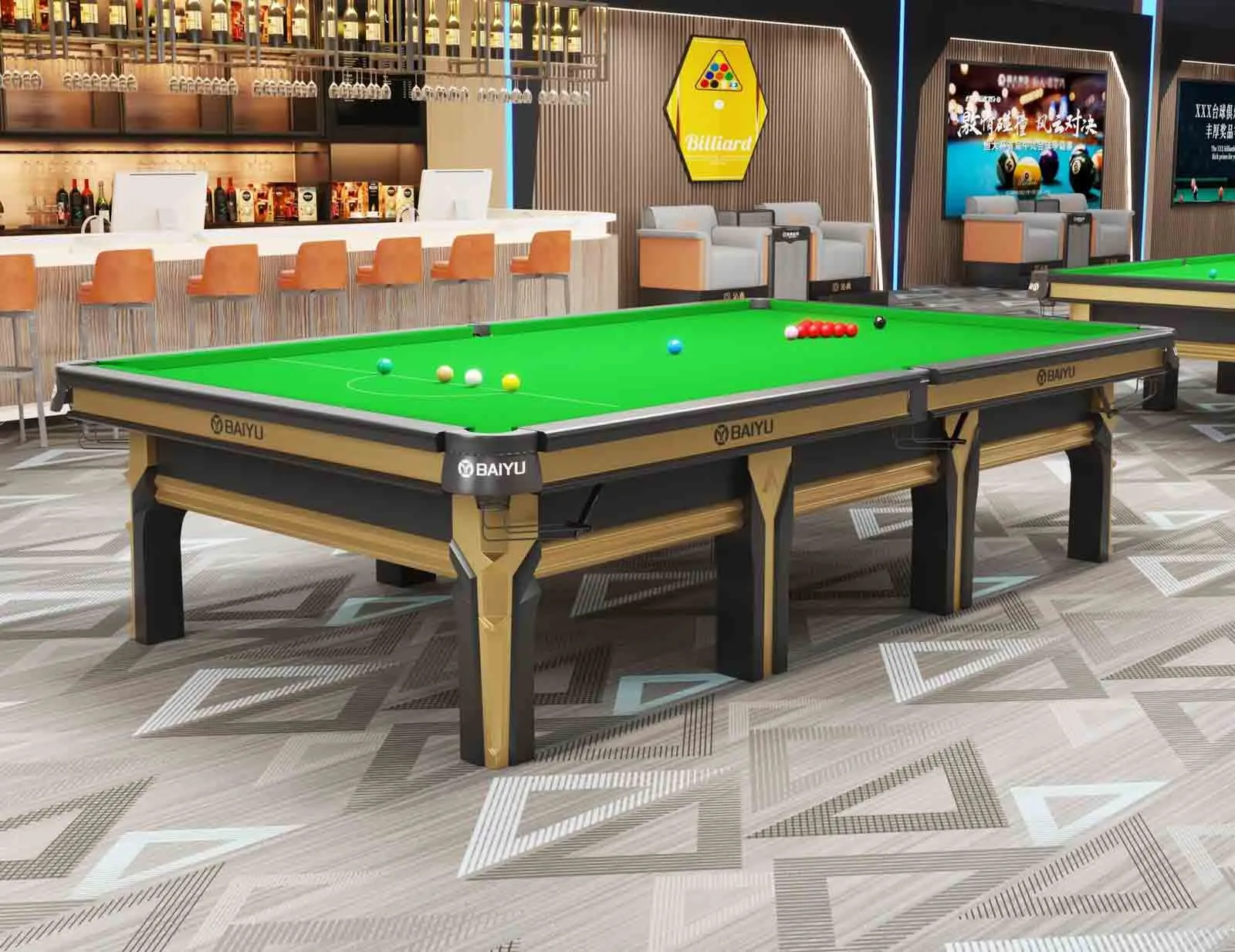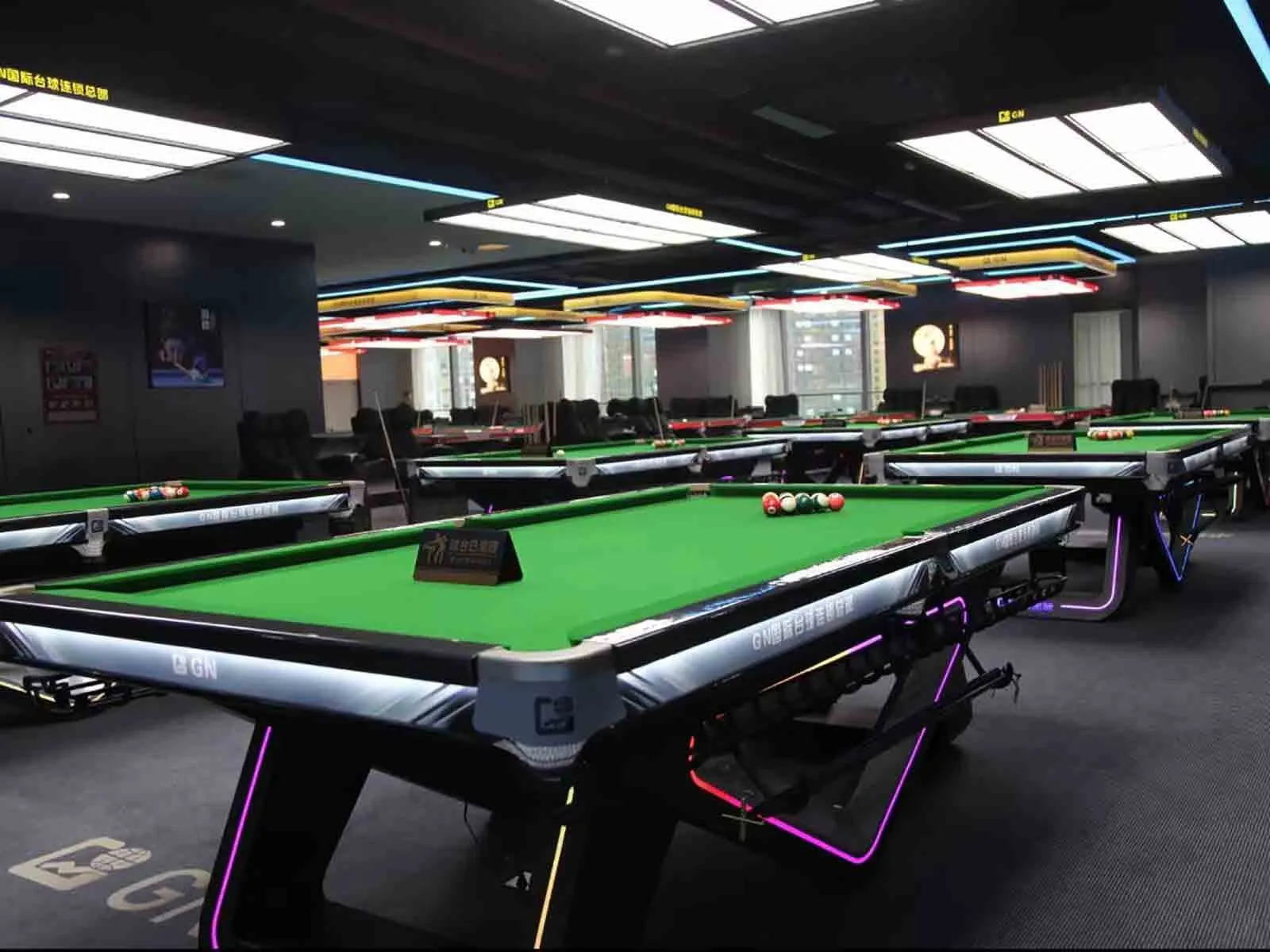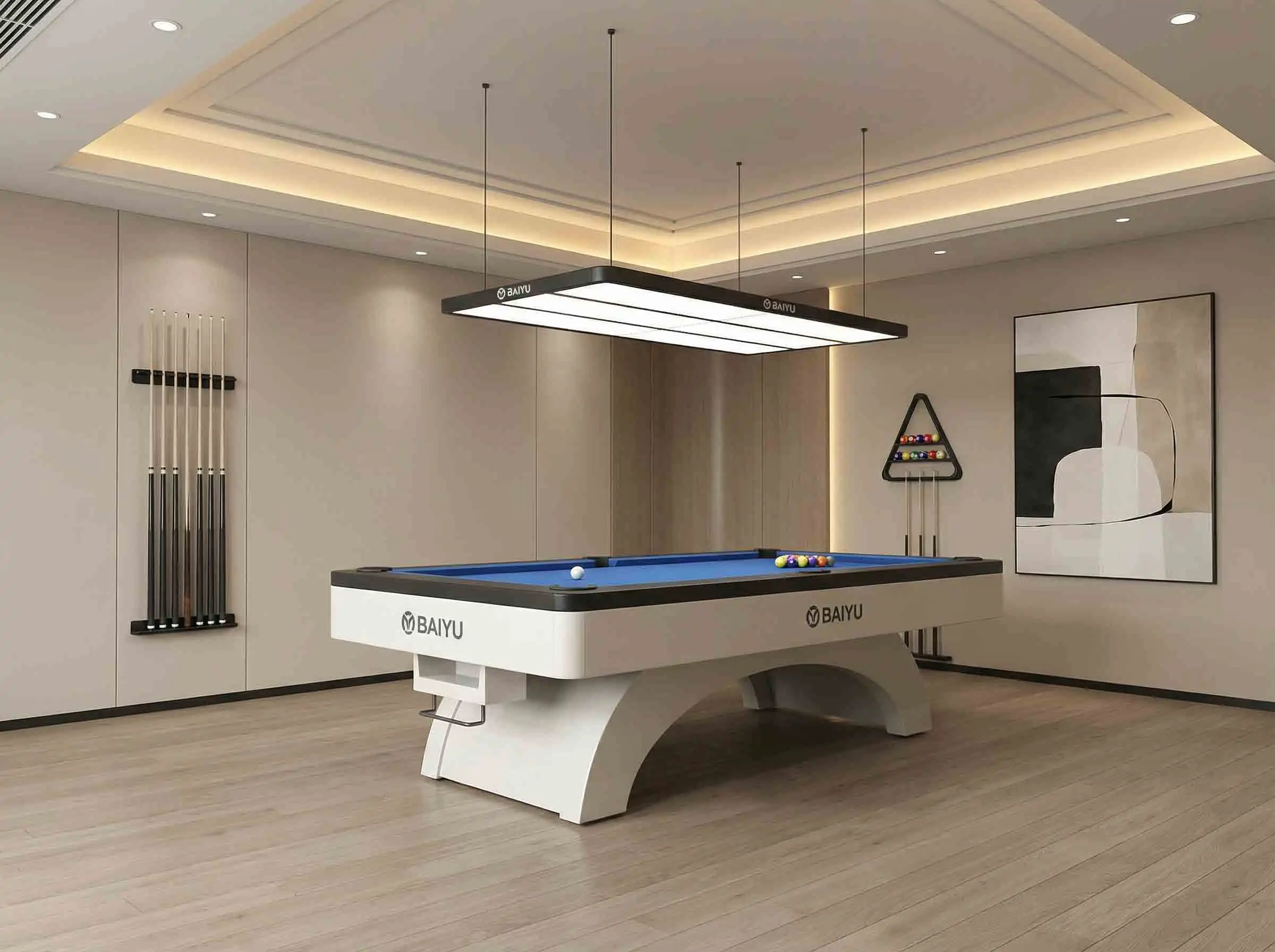
Key takeaway: Australia does not publish an official national ranking of its five best pool or snooker clubs. However, five venues stand out as useful operating case studies because they have verifiable competition history, a clear venue model, and practical lessons for club owners: Mounties Club, Commercial Club Albury, Pot Black North Perth, Redcliffe Snooker Club, and Matchroom Snooker Centre. They do not all run the same way, but they all show that a strong cue-sports business depends on more than table count.
For overseas club owners, that distinction matters. A room can look impressive at opening and still struggle six months later if it lacks repeat traffic, event rhythm, or the right supporting services. The better Australian examples show a different pattern: clear positioning, recurring reasons to return, and operating models that fit the local market instead of copying a generic “premium club” idea.
Baiyu Billiards is based in Shunde, Foshan, Guangdong, China,has served more than 150 billiard-room customers across Australia, Malaysia, and the Middle East.
What “Worth Studying” Means in This Article
This article does not claim that these are Australia’s five most profitable, busiest, or highest-rated venues. Public sources do not disclose a comparable national dataset for revenue, margin, player retention, or table utilisation across all clubs.
Instead, the selection uses four public signals:
- Recognised tournament hosting, especially pathway or state-level events.
- Repeat appearance in public cue-sports records rather than one-off visibility.
- A clearly documented venue model, such as a large community club or a specialist cue-sports centre.
- Useful operating lessons that overseas club owners can adapt without pretending every market works the same way.
| Venue | Location | Publicly documented signal | Operating model worth studying |
|---|---|---|---|
| Mounties Club | Mount Pritchard, Sydney | WSF Championship hosting, Q Tour history, large-scale community club operations | Cue sports inside a multi-service hospitality and membership ecosystem |
| Commercial Club Albury | Albury, NSW | Repeat Q Tour hosting, dedicated cue-sports room, broad club facilities | Regional anchor club with competition and member programming |
| Pot Black North Perth | North Perth, WA | Repeat Q Tour hosting, multi-centre business model | Specialist cue sports with family, function and member use |
| Redcliffe Snooker Club | Redcliffe, City of Moreton Bay | Repeat Queensland Open / Q Tour hosting | Smaller member-oriented snooker club with event credibility |
| Matchroom Snooker Centre | Calamvale, Brisbane | 2023–24 Q Tour Asia-Pacific host | Specialist venue with pathway-event relevance |
1. Mounties Club, Mount Pritchard, Sydney
Mounties is the clearest example in this group of cue sports operating inside a much larger hospitality and community system.
The Mounties official website says its Mount Pritchard venue includes six dining and restaurant options, thirteen bar outlets, multiple function spaces, a health and fitness centre, and an indoor children’s play centre. The same source says more than two million patrons visit Mounties each year. That number should be treated as a venue-published figure, not an independently verified national benchmark.
Mounties also has documented tournament credibility. The venue hosted the 2023 WSF Junior Championship and 2023 WSF Championship, and it appears in Q Tour Asia-Pacific records as the host of the Bob Hawke AC Memorial Australian Open. That combination is commercially important because it means Mounties reaches both serious players and general members.
What Mounties does well
- It gives customers more than one reason to visit.
- It uses cue sports within a broader membership and hospitality offer.
- It can absorb major events into a larger venue ecosystem.
- It keeps cue sports visible inside a community-led club brand.
Operating lesson
The main lesson is not that every pool room should become a giant community club. It is that table hire should not be the only reason people use the property. Food, bars, functions, live sports, family use, and member benefits all help create repeat visits.
What first-time operators often miss
Many new owners think a better table package alone will solve the business model. Mounties suggests the opposite. The more durable question is: what can customers do before, during, or after they play?
2. Commercial Club Albury
Commercial Club Albury is useful because it shows that a regional venue can remain highly relevant without sitting in Sydney or Melbourne.
The club’s official cue-sports page says it offers snooker, billiards, pool and eight-ball in a dedicated first-floor room, with member access from 10 a.m. daily, competition nights on Tuesdays and Thursdays, and coaching on request. Its club history and facilities page also documents restaurants, bars, live entertainment, function rooms, fitness facilities, squash courts and bowling greens.
On staffing scale, the club’s careers page says it employs more than 200 people across two clubs. That is a more precise signal than calling it simply “one of the city’s major employers.”
Its tournament relevance is also clear:
- The 2024 Fred Osbourne Classic at Commercial Club Albury had 81 competitors, according to the WPBSA event page.
- The 2025 edition had 82 competitors from three nations, according to the WPBSA tournament report.
What Commercial Club Albury does well
- It combines recurring local competition with higher-level event hosting.
- It proves that a regional club can still attract substantial tournament fields.
- It supports cue sports with broader member-club services instead of isolating the room from the rest of the business.
Operating lesson
Regional location does not automatically weaken a cue-sports venue. The better test is whether the club can build local loyalty, a recurring competition schedule, and event trust.
Practical takeaway for owners
If your project is outside a major city, the more useful question is not “How do I copy Sydney?” It is “How do I become the strongest repeat-use venue in my own catchment area?”
3. Pot Black North Perth
Pot Black North Perth is the specialist model in this group, but it should not be described as a tournament-only room.
The Pot Black official website says the business began in 1986 and currently operates centres in Cannington, Northbridge and North Perth. It promotes competition-standard pool and snooker tables, but also advertises children’s play, school visits, corporate and birthday functions, membership benefits, bar discounts, and accessories.
Its North Perth event history is also public:
- The 2024 West Coast International at Pot Black North Perth had 44 competitors, according to the WPBSA event information.
- The 2025 Asia-Pacific opener at the same venue had 41 competitors, according to the WPBSA tournament report.
What Pot Black does well
- It keeps a clear cue-sports identity.
- It supports that identity with memberships, functions and family-friendly uses.
- It appears in repeat pathway-event records, which strengthens venue credibility.
Operating lesson
A specialist venue does not need the scale of a multi-service club like Mounties. But it still needs more than one customer occasion. Serious players alone are often not enough to fill all time slots profitably.
The non-obvious point
Many owners think “specialist” means “keep everything else out.” Pot Black suggests a better balance: protect the playing identity, but widen the ways customers can use the venue.
4. Redcliffe Snooker Club, Greater Brisbane
Redcliffe Snooker Club is a smaller and more focused venue model, which is exactly why it is worth studying.
The Queensland Billiards and Snooker Association club listing identifies it as a members-only club at 2A Irene Street, Redcliffe, with five snooker tables and junior participation welcomed. That makes it very different from the larger hospitality-led models on this list.
Its repeat event role is publicly documented:
- The Dr Clem Jones AO Queensland Open in January 2025, part of the 2024–25 Q Tour Asia-Pacific series, had 66 competitors from four nations, according to the WPBSA event page.
- The January 2026 event at Redcliffe had 55 competitors, according to the WPBSA 2025–26 tournament information.
What Redcliffe does well
- It shows that a five-table club can still host a meaningful pathway event.
- It builds relevance through consistency rather than size.
- It keeps a tight identity around member and player use.
Operating lesson
A smaller club can remain commercially relevant if it becomes known for reliability, event discipline, and playing conditions. Decorative spending may help the first impression, but it does not replace operational trust.
Practical takeaway for owners
If your budget is limited, money spent on table condition, layout, lighting, scheduling, and maintenance discipline may do more for long-term club quality than money spent on purely visual upgrades.
5. Matchroom Snooker Centre, Calamvale, Brisbane
Matchroom Snooker Centre is the most compact example in this list, but its cue-sports relevance is still visible in public records.
The strongest documented signal is its role as host of the 2023–24 Q Tour Asia-Pacific Dr Clem Jones AO Queensland Open Snooker Championship. According to the WPBSA tournament report, the event attracted 71 players from Australia, New Zealand and China.
That does not, by itself, prove wider business performance. Public information on Matchroom’s broader revenue mix, membership base, or customer-retention model is limited. But it does prove that the venue was trusted for a recognised pathway event.
What Matchroom does well
- It has documented pathway-event relevance.
- It appeals to players who care about standards, not only casual recreation.
- It shows that a smaller specialist venue can still matter in the competition ecosystem.
Operating lesson
Event credibility can strengthen a venue’s positioning, but it is not a full business model on its own. A club still needs weekly programming, sensible pricing, maintenance discipline, and local player retention between major events.
What These Five Venues Have in Common
These venues do not share the same scale or revenue model, but they do share several operating principles.
1. They create repeat reasons to visit
This is the most important common pattern.
- Mounties uses food, bars, functions, family services and membership.
- Commercial Club combines competition with broad club facilities.
- Pot Black uses specialist play, functions, family use and memberships.
- Redcliffe relies on member structure and repeat competitive relevance.
- Matchroom’s public evidence is narrower, but its event history suggests competitive positioning.
A strong venue is usually built around repeat use, not one-time novelty.
2. They have a clear venue identity
Each venue knows what it is:
- community hospitality club,
- regional member club,
- multi-centre specialist operator,
- focused member snooker club,
- or specialist competition-oriented room.
Confused venue identity is one of the fastest ways to weaken customer retention.
3. Competition helps credibility, but competition alone is not enough
Hosting a Q Tour or WSF event is valuable because it signals event capability and playing legitimacy. But no public source here proves that tournament hosting alone makes a club profitable.
That distinction matters. Some owners overestimate the commercial effect of a single headline event and underestimate the weekly work needed between events.
4. Supporting services matter
Even in cue sports, the business often depends on what surrounds the tables:
- dining,
- bars,
- memberships,
- coaching,
- accessories,
- spectator use,
- family or function activity,
- and community participation.
The exact mix depends on the market, but the principle is consistent.
What Overseas Club Owners Can Learn
The central lesson is not “copy these five clubs.” Their scale, licensing environment, player density, and local demand are too different for that.
A more useful approach is to identify which venue model fits your market.
| Model | Best suited to | Main requirement | Main risk |
|---|---|---|---|
| Specialist cue-sports centre | Established player base and regular competition demand | High playing standards and consistent programming | Overdependence on a narrow customer group |
| Member-oriented community club | Local regulars, leagues, social play and community routines | Stable member activity and recurring events | Slow casual traffic growth |
| Mixed hospitality venue | Markets with food, beverage, function and family demand | More staff, licences and operating discipline | Higher fixed costs |
| Family and group-use venue | Broad casual market, schools, birthdays and social groups | Durable equipment and simple packaged experiences | Weaker cue-sports identity if not managed carefully |
For Baiyu customers, this decision should come before final table quantity. The right mix of table models, cue storage, lighting, spectator sofas, accessories, and spare-parts planning depends on whether the room is being designed for competition, hospitality, membership, family traffic, or a combination.
A Practical 2026 Venue Checklist
Define the venue model first
- Is the project a specialist cue-sports room, a member club, a family venue, or a mixed hospitality business?
- Which customers should fill daytime, evening, and weekend sessions?
- Is the room meant to support serious competition, casual social play, or both?
Build the repeat-use program
- What brings players back every week?
- Are leagues, coaching, junior sessions, member nights, or social competitions realistic locally?
- Who owns the calendar and event execution?
Test the supporting revenue logic
- Are food and beverage services practical and commercially justified?
- Would functions, memberships, cue cabinets, coaching, or accessories fit the market?
- Which add-ons create complexity without enough likely demand?
Protect playing conditions
- Is there a written maintenance routine for cloth, cushions, pockets, slate level, and lighting?
- Are spare parts available fast enough to avoid downtime?
- Is there enough clearance around each table for the intended standard of play?
Verify rather than imitate
- Compare rent, labour, licences, and local player density before copying an Australian venue model.
- Treat tournament hosting as evidence of event capability, not proof of profitability.
- Ask what the venue does every normal week, not only what it does during a major event.
Final Thoughts
There is no official list of Australia’s five best pool and snooker venues. That is not the useful question anyway.
The better question is: which venue models offer the most useful lessons for club owners?
These five stand out because they show different but credible ways to make cue sports commercially relevant:
- Mounties Club: cue sports inside a large community and hospitality ecosystem.
- Commercial Club Albury: a regional club with dedicated cue-sports programming and repeat event relevance.
- Pot Black North Perth: a specialist cue-sports identity supported by memberships, functions and family use.
- Redcliffe Snooker Club: a smaller member club with repeat tournament trust.
- Matchroom Snooker Centre: a specialist Brisbane venue with documented pathway-event experience.
The tables matter, but the operating model matters more. The better venues are not defined by decoration or table count alone. They are defined by how well they convert cue sports into repeat visits, community habit, and usable commercial structure.
FAQ
What makes a pool or snooker club worth studying in Australia?
A useful venue case study has publicly verifiable signals such as recognised tournament hosting, recurring competition activity, a clear customer model, or documented supporting services. That does not automatically make it the country’s most profitable club.
Why is Mounties included if it is not only a snooker venue?
Because it shows how cue sports can work inside a large hospitality and community venue. Its official website documents dining, bars, functions, fitness and family facilities, while public tournament records confirm its cue-sports relevance.
What does Q Tour hosting actually prove?
It proves that the venue hosted a recognised professional-pathway event. It supports claims about event capability and competition relevance, but it does not by itself prove profit, utilisation rate, or customer retention.
Can a regional venue attract serious cue-sports competition?
Yes. Commercial Club Albury hosted Q Tour Asia-Pacific fields of 81 players in 2024 and 82 players in 2025. That shows regional location does not prevent a venue from attracting substantial tournament participation.
Is Pot Black only for serious snooker players?
No. Its official website promotes competition-standard tables, but it also advertises family and school use, functions, memberships, bar benefits and accessories.
What should a first-time pool hall owner decide first?
Decide the venue model and repeat-use program before finalising table quantity. Equipment, layout, staffing, cue storage, spectator areas, and supporting services should follow the customer strategy, not the other way around.